A stubborn flange joint can quickly turn a routine shutdown into a major headache. Between rusted bolts, seized gaskets, and tight metal-to-metal contact, prying two flanges apart takes serious, controlled force. Having the right flange spreader makes the job safer and faster, yet picking the tool is only half the battle. Who you choose among flange spreaders suppliers matters just as much.
A careless supplier choice often results in site delays, unexpected costs, or equipment that simply cannot handle the job. Before placing your next order, watch out for these five common buying mistakes.
What Can Go Wrong When Choosing a Flange Spreader Supplier?
Every flange joint presents different mechanical challenges, and a tool that works well on one line might fail completely on another. Running through a few practical checks with your vendor before you buy will save your maintenance crew from major frustration once the shipment hits the floor.
1. Making Price Your Only Buying Factor
Budget always plays a role in procurement, yet chasing the lowest quote is rarely worth the risk with heavy maintenance gear like flange spreaders. A flange spreader has to withstand extreme mechanical stress without slipping or failing.
Look closely at the build quality, steel grade, and real-world durability before comparing price tags. Paying slightly more upfront for reliable equipment beats dealing with a broken tool, or worse, an injured technician, halfway through a critical repair.
2. Overlooking Spreading Force and Opening Range
Flange sizes and line pressures vary drastically across any facility, so a one-size-fits-all approach never works. An underpowered spreader will simply stall out against a heavily corroded joint.
Always match the tool’s rated spreading force and maximum opening distance to the specific flanges your team services. A dependable supplier will share clear, detailed spec sheets upfront so you can verify the numbers rather than guessing.
3. Forgetting About Tight Working Clearances
It is easy to focus on tonnage and completely forget about physical space, which is why top flange spreaders suppliers recommend evaluating access restrictions carefully. Many industrial pipe racks are cramped, leaving barely a sliver of room between adjacent pipes, valves, or structural beams.
Even the strongest spreader is useless if your crew cannot physically wedge it into the joint. Check the minimum access gap required for the jaws alongside the overall body dimensions of the tool before signing off on the purchase.
4. Assuming Every Accessory Comes in the Box
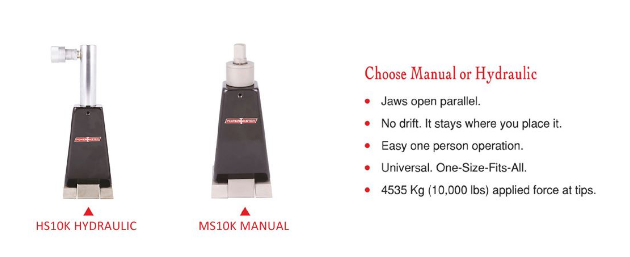
Many buyers order a hydraulic flange spreader assuming it arrives ready to work straight out of the crate. Unfortunately, that is not always how industrial equipment is packaged.
Depending on the setup, items like the hand pump, high-pressure hoses, safety blocks, or stepped blocks might be sold separately. Always ask the supplier for an itemized packing list before confirming your order so your team is not scrambling for missing parts on maintenance day.
5. Skipping Operating Manuals and Safety Guidance
Separating pressurized or rusted lines carries real risk. Applying uneven force or skipping proper wedge placement can ruin expensive flange faces and put workers in danger.
Make sure your supplier includes straightforward operating manuals, maintenance guidelines, and safety instructions with every unit. It also helps to confirm whether their technical team is available to answer questions if your crew runs into an unusual joint setup on-site.
Final Thoughts
Purchasing flange spreaders should never be a rushed checkbox exercise. Ordering the wrong jaw size, underestimating required tonnage, or missing a crucial hydraulic hose can bring your maintenance schedule to a standstill. Taking the time to vet both the specs and the vendor ensures your team gets gear that actually works in the field.
For tough industrial maintenance jobs, Bolting Systems supplies hydraulic flange spreaders in both 5-tonne and 10-tonne capacities. Designed for reliable, straightforward joint separation, their models give maintenance teams the controlled power needed to keep shutdowns on track. Browse the Bolting Systems range and check the full technical specs to find the right fit for your site.