Transitioning from an HDB flat to a private property is a major milestone for many Singaporean families. After fulfilling the necessary Minimum Occupation Period, numerous homeowners look toward private condominiums or executive condominiums to elevate their lifestyle, expand their asset portfolio, or move closer to preferred schools and work nodes. However, moving from public housing to the private market requires careful financial re-calibration, precise timing, and a clear understanding of regulatory requirements.
Evaluating Financial Readiness and Sale Proceeds
The first step in upgrading is assessing your financial baseline. Homeowners must calculate their net cash proceeds and Central Provident Fund Ordinary Account refunds that will be unlocked upon selling their existing HDB flat. These funds form the core of the downpayment for your next property.
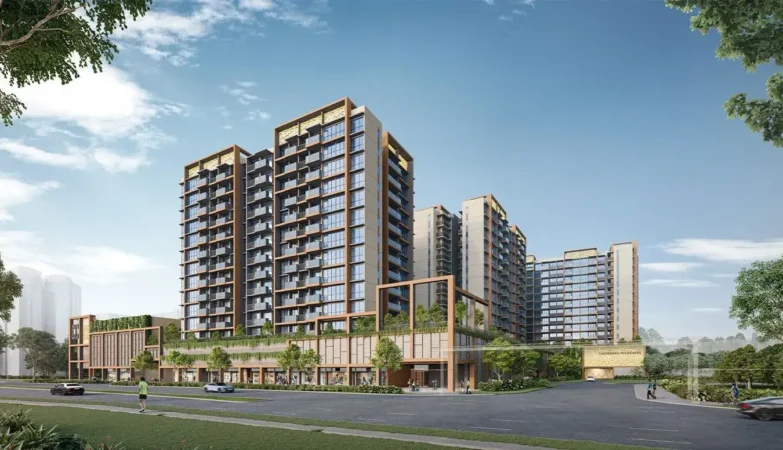
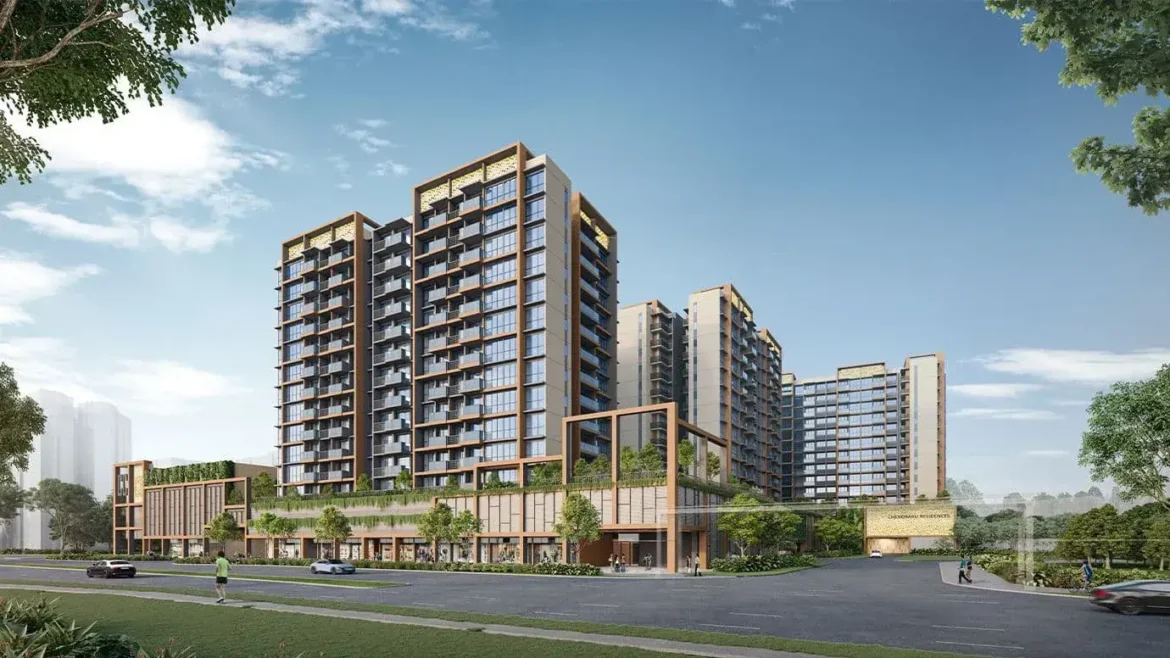
When mapping out this transition, prospective upgraders must review their current housing loan status and ensure that any outstanding HDB or bank loans are fully cleared using the sale proceeds. It is also vital to factor in additional expenses, such as the Resale Levy if your initial flat was bought with a government subsidy, as well as Buyer’s Stamp Duty. For those exploring modern suburban options, developments like Chencharu Central Residences provide a glimpse into how integrated private concepts merge convenience with community living.
Navigating ABSD Timelines and Replacement Housing
One of the most complex logistical hurdles during an upgrade is managing the timeline between selling the current flat and purchasing the new private property. Under current property regulations, Singapore Citizens purchasing a second residential property must pay Additional Buyer’s Stamp Duty upfront.
However, married couples upgrading from an HDB flat can often claim an ABSD remission provided they sell their existing public flat within a prescribed timeframe—typically six months after the issuance of the Temporary Occupation Permit for a completed property or the purchase of a resale unit. Coordinating this sequence smoothly prevents severe cash flow pinches. Buyers considering alternative hybrid options, such as the executive condominium project marketed as Fablewoode Residences, must also ensure their household income and eligibility parameters align with prevailing criteria.
Choosing Between Resale Private Condos and New Launches
Upgraders often weigh the merits of immediate occupancy versus long-term capital appreciation. Resale private condominiums offer immediate move-in flexibility, established estate maturity, and generous unit sizes, making them popular for families who want to settle down quickly.
Conversely, new launch properties—ranging from private mixed-use hubs to upcoming suburban executive condominiums—appeal to buyers who prefer progressive payment schedules, modern architectural layouts, and facilities designed for contemporary lifestyles. Reviewing neighbourhood masterplans, transport accessibility, and proximity to lifestyle amenities helps ensure that the chosen property meets both immediate living needs and long-term investment goals.
Conclusion
Upgrading from an HDB flat to a private residential property represents an exciting chapter in your property ownership journey. By meticulously calculating net sales proceeds, timing your purchase to manage stamp duty rules, and aligning your choice with long-term lifestyle preferences, you can execute a seamless transition. Prospective upgraders should consult financial advisors and official statutory portals to verify current rules before committing to any transaction.