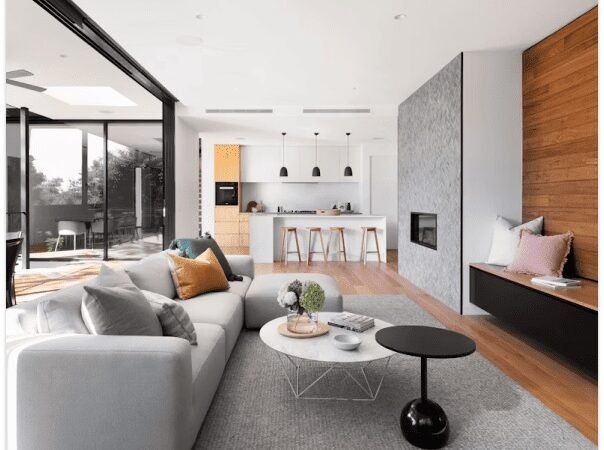
A property viewing can be surprisingly emotional. Sunlight enters through the windows, the living room looks spacious, and the furniture makes the apartment feel ready for a new beginning. Buyers may start imagining where the sofa will go, how the dining area will look, or how quickly they could move in.
That excitement is understandable, but it can also make people overlook details that matter long after the viewing ends.
A cupboard that cannot open fully, an awkward kitchen layout, a noisy surrounding environment, or insufficient space for everyday belongings may become a source of frustration after moving in. These problems are not always obvious during a short visit, especially when the property has been carefully prepared for prospective buyers.
For anyone purchasing residential property in Singapore, a viewing should be treated as an opportunity to investigate rather than simply admire. Looking beyond attractive finishes and staged furniture can help buyers understand how a home might function in everyday life.
Look at the Empty Space, Not Just the Furniture
Furniture can influence how large or small a room appears. A carefully arranged living room may feel spacious because the furniture has been selected to suit the layout. However, the same room could become crowded when a buyer brings in a larger sofa, additional storage, or a dining table.
Before deciding that a property offers sufficient space, consider how your own belongings would fit.
Measure the furniture you already own, especially large items such as beds, wardrobes, refrigerators, and dining tables. Compare these dimensions with the available room measurements where reliable information is provided.
Pay attention to movement as well. A bedroom may technically accommodate a large bed, but the remaining space could make it difficult to open wardrobe doors or move comfortably around the room.
The kitchen deserves similar attention. Check whether appliance doors can open without blocking walkways and whether there is enough practical worktop space for preparing meals.
Do not assume that a room is functional simply because it looks attractive in photographs. The real test is whether the layout supports the activities you perform every day.
Linktown Residences: Questions to Ask Before Falling in Love With a Unit
When researching Linktown Residences, prospective buyers should use property viewings to verify the details that could influence comfort, maintenance, and future expenses.
Begin by obtaining the floor plan and confirming the actual dimensions and specifications of the unit under consideration. If certain fittings, appliances, or furnishings appear during a viewing, ask whether they are included in the transaction.
This matters because photographs and display arrangements may not accurately represent what a buyer will receive.
Next, examine the visible condition of the property. Look carefully at window frames, flooring, kitchen cabinets, bathroom fittings, and other areas that may require maintenance. Signs such as unexplained stains, damaged finishes, or persistent musty smells deserve further investigation.
It is also worth testing ordinary features where access and circumstances permit. Open cupboards, inspect storage depth, check doors, and look at the available electrical outlets. These small checks can reveal practical limitations that are easy to overlook when concentrating on the overall appearance.
Buyers should distinguish between cosmetic issues and concerns that require professional assessment. A scratched cabinet may be straightforward to address, while suspected water damage or an electrical problem may require further investigation.
The goal is not to find a flawless property. It is to understand its actual condition and avoid making a purchase based on assumptions.
The Five-Minute Bathroom Inspection
Bathrooms are among the most important areas to inspect because moisture-related problems can become expensive if their causes are not identified.
A bathroom may look clean and attractive while still showing signs that deserve closer attention. Buyers should examine the visible condition of the walls, floor, ceiling, fittings, and areas around the shower.
Look for peeling finishes, damaged sealant, unusual staining, and signs of persistent dampness. Check whether the bathroom has suitable ventilation and whether there are visible indications of previous repairs.
Where appropriate, ask about the condition of plumbing fixtures and whether any known maintenance issues have been reported.
A few practical questions can help guide the inspection:
- Does the bathroom appear clean and reasonably well maintained?
- Are there visible cracks, stains, or damaged surfaces?
- Do the fittings appear secure and in usable condition?
- Is there an exhaust fan or another suitable ventilation arrangement?
- Are there any unusual smells that require explanation?
These observations cannot establish whether hidden plumbing or waterproofing defects exist. If something raises concern, obtain an appropriate professional assessment rather than relying on a quick visual check.
For buyers purchasing a property that has been occupied previously, understanding the condition of wet areas can help with budgeting and maintenance planning.
Check the Windows Before Checking the View
A pleasant view can make a property more appealing, but the windows themselves deserve attention too.
Windows influence natural light, ventilation, external noise, and the general experience of a room. Their condition can also affect maintenance requirements and comfort.
During a viewing, examine the visible window frames, handles, seals, and glass. Look for obvious damage, signs of moisture around the edges, or difficulty operating accessible windows.
If the unit faces a busy road or active area, spend a moment listening with the windows closed and, where it is safe and permitted, with them open. This may help you understand how external sounds affect the room.
Also consider how sunlight enters the unit. Strong direct sunlight can create glare or increase indoor heat, depending on the orientation, glazing, and surrounding buildings.
Buyers should not attempt unsafe tests or alter restricted fittings. Any concerns about window safety, defects, or permitted modifications should be raised with the relevant professional or management representative.
The view may attract your attention first, but the condition and practical performance of the windows can influence everyday comfort much more frequently.
Lentor Signature: Investigating the Neighbourhood During a Viewing
When evaluating Lentor Signature, prospective buyers should look beyond the unit and examine how the surrounding environment might affect daily life.
A property can appear convenient on a map while offering a less comfortable walking experience than expected. Busy crossings, exposed pedestrian routes, traffic noise, or indirect access to everyday destinations can affect the practical value of a location.
If possible, explore the surrounding area before or after the appointment. Identify the routes you would use for commuting, grocery shopping, dining, and other regular activities.
Do not judge accessibility solely by the distance shown on a map. Consider how long the journey takes in practice, whether crossings are convenient, and how comfortable the route might be during hot weather or heavy rain.
It is also useful to observe activity at different times. A street may feel quiet during a midday viewing but become busier during the evening commute.
Ask specific questions about any facilities or connections that are important to you, then verify the answers through reliable information. Do not assume that proposed amenities, future transport connections, or nearby services are already available.
A property viewing should help you understand both the home and the environment in which you would live. Spending additional time outside the unit can reveal details that interior photographs cannot show.
Electrical Outlets, Lighting and Everyday Convenience
Electrical outlets are easy to overlook during a viewing, yet their location can influence furniture arrangements and everyday convenience.
Imagine where you would place your television, computer, bedside lamps, kitchen appliances, and charging stations. If outlets are poorly positioned, you may need to reconsider the layout or investigate whether additional electrical work is appropriate.
Lighting deserves similar attention. Observe whether rooms receive sufficient natural light and whether existing fixtures provide suitable illumination for everyday activities.
A dining area may require different lighting from a study, while a kitchen needs clear visibility for food preparation. Buyers should consider these practical requirements before estimating renovation costs.
It is also worth checking whether visible electrical fittings appear damaged or poorly maintained. Any concerns about wiring, circuit capacity, or electrical safety should be assessed by a suitably qualified professional.
Do not assume that adding outlets or changing lighting will always be simple. Such work may involve costs, technical limitations, and applicable requirements.
A property that already supports your preferred furniture arrangement and daily routines may require fewer modifications after purchase.
What the Listing Photos Cannot Tell You
Property photographs are useful for narrowing a shortlist, but they rarely provide a complete picture of the living environment.
A photograph may not reveal the sound of nearby traffic, the amount of afternoon heat entering a room, or how much space remains when doors and drawers are opened. Wide-angle photography can also make some areas appear larger than they feel in person.
Buyers should therefore use photographs as a starting point rather than definitive evidence.
During a viewing, take your own photographs and notes where permitted. Record the measurements of important spaces and document questions that need follow-up.
If possible, visit again at a different time of day. This can provide additional information about natural light, surrounding activity, and noise.
For a property with existing occupants, access may be limited, and certain defects may not be visible. Buyers should discuss the available inspection arrangements and seek professional advice when necessary.
It is equally important to verify the legal and transactional details separately. A visually attractive unit does not establish ownership status, confirm that all representations are accurate, or resolve questions about contractual terms.
The more carefully buyers distinguish what they have observed from what they have merely been told, the better prepared they will be to make an informed decision.
A Simple Checklist to Bring to Every Property Viewing
Rather than trying to remember everything during an appointment, keep a short checklist on your phone or in a notebook.
Inside the property
- Measure rooms and compare them with your furniture.
- Check storage space, door openings, and movement around furniture.
- Examine visible flooring, windows, cabinets, and bathroom fittings.
- Look for signs of moisture, damage, or poor maintenance.
- Consider lighting, ventilation, and electrical outlet positions.
Outside the property
- Listen for traffic and surrounding noise.
- Check the practical route to transport and essential shops.
- Observe pedestrian access and nearby activity.
- Consider how the location might feel during peak hours.
- Verify the availability of important facilities.
Before making a decision
- Confirm which fittings and appliances are included.
- Obtain and review the relevant property documents.
- Investigate any concerns that require professional assessment.
- Estimate the cost of necessary repairs and improvements.
- Compare the property with alternatives using the same criteria.
This approach makes it easier to compare several properties objectively instead of relying on whichever unit creates the strongest first impression.
Conclusion: A Good Viewing Is About Asking Better Questions
Buying a home is a major financial commitment, and a short viewing cannot reveal everything about a property. Nevertheless, careful observation can help prospective homeowners identify practical limitations, maintenance concerns, and questions that need further investigation.
Whether exploring Linktown Residences or considering Lentor Signature, buyers should look beyond attractive finishes and examine the actual unit, its surroundings, and the details that influence everyday comfort.
Measure important spaces, inspect visible fittings, listen to the surrounding environment, and verify information before relying on it. If a potential problem requires technical expertise, arrange an appropriate assessment instead of guessing.
Most importantly, do not let an attractive presentation replace a clear understanding of what you are purchasing. A home should not merely look appealing during a viewing. It should suit your daily routines, fit your budget, and provide a practical living environment after the excitement of buying has passed.