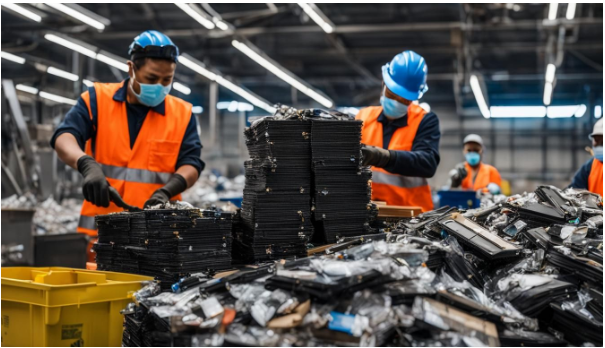
Electronic devices make everyday life easier, but they also create waste when they become outdated, damaged, or unnecessary. Computers, mobile phones, printers, batteries, cables, and office equipment contain materials that should not be discarded with ordinary household rubbish. Choosing a Certified E Waste Recycling Company helps businesses and residents manage unwanted electronics responsibly. Recycling can recover useful materials, reduce pollution risks, and support a cleaner environment. In Dubai, responsible disposal supports sustainable living and business operations.
Why Electronic Waste Needs Careful Handling
Electronic waste, often called e-waste, includes electrical and electronic products that have reached the end of their useful life. Some devices contain valuable materials such as copper, aluminium, steel, and selected precious metals. They may also contain substances that require controlled handling. When electronics are dumped, burned, or dismantled without suitable processes, harmful materials can enter soil, air, and water.
Responsible recycling helps prevent these problems and keeps recoverable resources in circulation. It can also reduce demand for newly mined raw materials. Old equipment should be viewed as a resource that needs proper sorting, collection, and processing.
What Happens During the Recycling Process
A professional recycling process generally follows several stages. The exact method depends on the equipment, its condition, and the facilities available.
- Collection and assessment: Items are gathered from homes, offices, institutions, and commercial sites. The recycler identifies the types and approximate quantities of equipment.
- Sorting: Devices are separated into categories such as computers, screens, printers, cables, batteries, and small electronics.
- Data handling: Storage devices are identified for secure data destruction or sanitisation, according to the agreed service and applicable requirements.
- Dismantling: Trained personnel separate components using suitable tools and safety procedures.
- Material recovery: Recyclable materials are processed through appropriate methods, while components that cannot be recovered are directed to suitable treatment or disposal routes.
- Documentation: Depending on the service, customers may receive collection records, weight details, or recycling documentation.
These steps make the process more organised and traceable. Ask what happens to equipment after collection and how it is handled downstream.
Choosing a Responsible Recycling Partner
Selecting a provider involves more than comparing prices. A Certified E Waste Recycling Company should have relevant approvals, suitable facilities, trained staff, and clear procedures. A reliable company should answer questions about transport, data security, material recovery, and final treatment.
When evaluating a provider, consider the following points:
- Ask about licences, permits, certifications, and the scope each one covers.
- Confirm whether collection is available for the types and quantities of equipment you have.
- Request details about secure handling of computers, servers, phones, and storage media.
- Check whether the company provides collection receipts or recycling reports.
- Find out how batteries, screens, and other specialised components are managed.
- Clarify any charges, minimum quantities, collection conditions, and service timelines.
Check certificates and claims rather than accepting them without question. Request current documents and confirm that credentials cover the services offered.
Managing E-Waste for Offices and Organisations
Offices regularly replace computers, monitors, networking equipment, printers, and communication devices. Without a disposal plan, unused equipment accumulates and may create data protection concerns.
An organised workplace programme begins with an inventory. Record the equipment type, quantity, condition, and ownership details where appropriate. Separate working devices that may be suitable for reuse from damaged items that need recycling. Before handing over computers, servers, phones, or storage drives, follow the organisation’s data security policy and confirm how information will be erased or destroyed.
For larger clear-outs, appoint a coordinator to arrange access and keep records. Tell staff which items are accepted and which need separate handling.
Finding a Suitable Local Service in Dubai
Residents and organisations may search online for E-Waste Recycling Near Me in Dubai when they need a convenient collection option. However, proximity should not be the only deciding factor. Check the provider’s service area, accepted equipment, collection arrangements, and handling procedures before scheduling a pickup. Some services may focus on commercial quantities, while others may accept smaller loads from households. Comparing options can help identify E Waste Recycling Near Me in Dubai that matches your needs.
A few practical steps can make collection smoother:
- Keep different electronic categories together where safe and practical.
- Do not break screens, batteries, or electronic components to reduce their size.
- Store equipment in a dry, secure place before collection.
- Avoid mixing e-waste with food waste or general rubbish.
- Request written confirmation of the items collected.
These measures protect handlers, improve sorting, and create a clearer collection record.
Reuse, Repair, and Responsible Purchasing
Extending the useful life of electronics can also reduce waste. Working devices may be repaired, refurbished, donated, or resold after personal information is removed. Never pass on broken equipment or devices containing private data.
Choose durable products, maintain equipment, repair minor faults, and replace devices only when needed. Consider repair options, spare parts, energy efficiency, and manufacturer take-back programmes. Keep compatible chargers and accessories for future use.
Building Better Disposal Habits
Make e-waste management part of household and workplace routines. Store obsolete devices in a marked area, review them periodically, and arrange collection through a provider whose procedures you have checked.
It is useful to remember that not every item should be dismantled at home. Batteries can be damaged if crushed or punctured, and some components require specialist treatment. Keep damaged batteries separate where safe to do so, avoid exposing them to heat, and seek instructions from an appropriate collection service. Never burn cables or circuit boards to recover metals.
Conclusion
Choosing a suitable recycling partner helps keep electronic waste out of inappropriate disposal channels and supports the recovery of useful materials. For homes and organisations planning an equipment clear-out, IT Scrap Buyer offers an option to explore electronic scrap collection and recycling services in Dubai. Contact the team to discuss the types and quantities of equipment you need to dispose of, confirm collection arrangements, and understand the available handling process.
By making informed choices, checking service credentials, and preparing devices carefully, customers can contribute to safer e-waste management. This approach encourages accountability, helps organisations plan budgets, and makes environmental responsibilities easier to include in daily operations.