Technology is gradually changing how people interact with their homes. From digital door locks to automated lighting and intelligent climate controls, modern residential technology offers new ways to manage everyday household activities. As Singapore’s property market continues to evolve, buyers are increasingly interested in understanding how technology can improve convenience, security, and energy management.
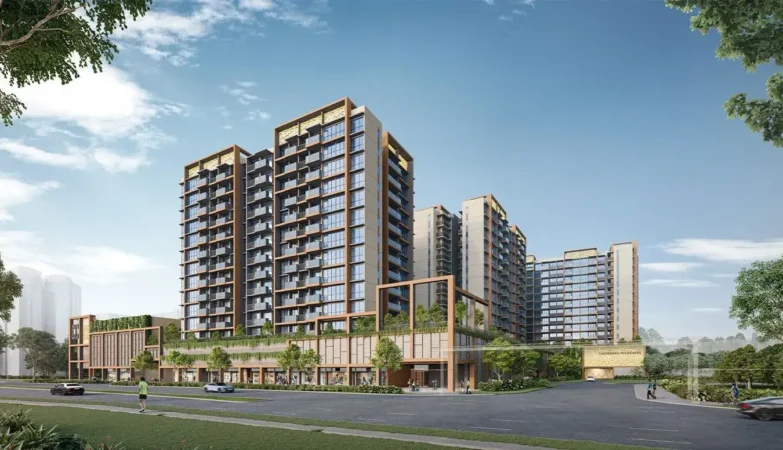
When researching residential options such as Chencharu Central Residences, prospective homeowners can consider how modern living requirements influence their expectations of residential layouts, electrical provisions, and technological infrastructure.
Understanding the Concept of a Smart Home
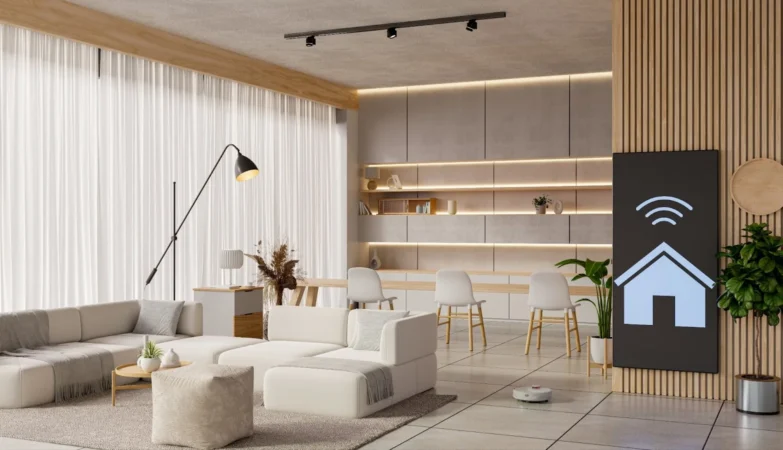
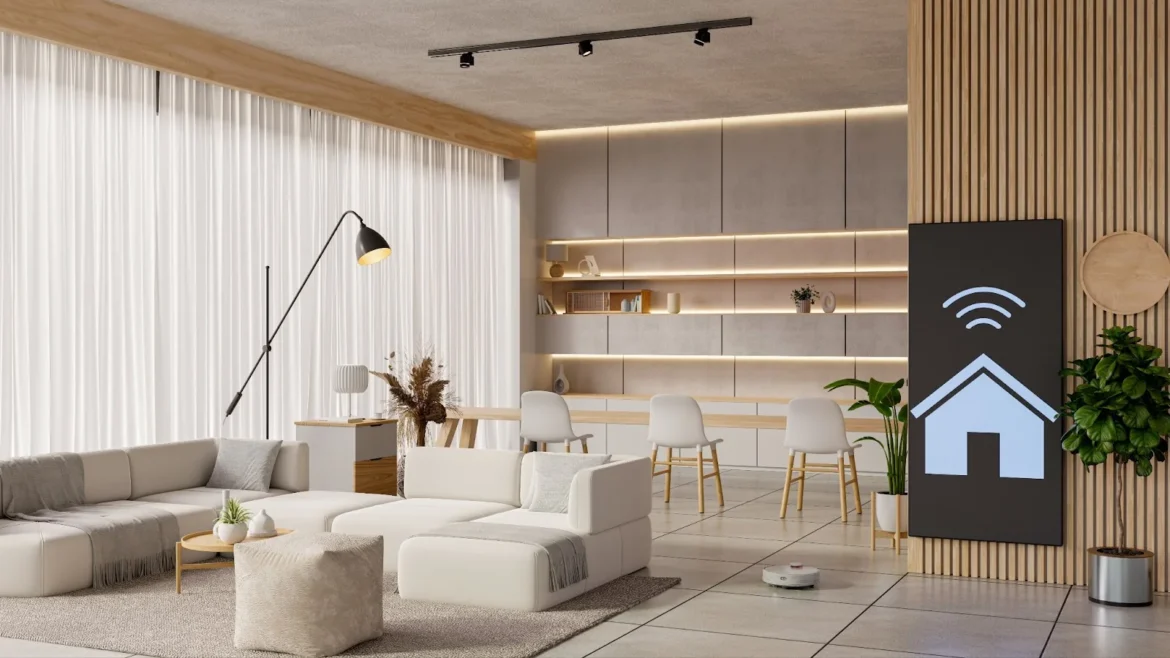
A smart home uses connected devices and automated systems to manage selected household functions.
These systems may allow residents to control lighting, air-conditioning, security devices, and appliances through smartphones or dedicated control panels.
Some systems operate according to programmed schedules, while others respond to user commands or sensor inputs.
The main objective is to simplify household management and improve convenience.
However, buyers should understand which systems are actually provided by a property and which require separate purchases or installation.
Smart Security Systems for Residential Properties
Security technology has become an important part of modern home management.
Digital door locks, video doorbells, and connected security cameras can provide additional ways to monitor access to residential spaces.
Depending on the product, homeowners may be able to manage temporary access permissions or receive notifications about selected activities.
Before installing these systems, residents should consider:
- Device reliability.
- Password protection.
- Software updates.
- Compatibility with existing doors.
- Data privacy arrangements.
- Battery replacement requirements.
Smart devices should complement sensible security practices rather than replace them entirely.
Automated Lighting and Household Convenience
Smart lighting systems allow residents to manage selected lights through mobile applications, voice commands, or programmed schedules.
For example, homeowners may set bedroom lighting to switch off automatically at a particular time.
Some systems also allow brightness adjustments and different lighting settings for specific activities.
These features can be useful for households that prefer greater control over their indoor environment.
However, buyers should check the electrical provisions and compatibility requirements before planning an installation.
Intelligent Air-Conditioning Management
Air-conditioning is an important part of residential comfort in Singapore.
Smart controllers and compatible air-conditioning systems may allow users to adjust temperatures remotely or establish operating schedules.
These features can help households manage cooling arrangements according to their daily routines.
Homeowners should also remember that actual electricity consumption depends on temperature settings, operating duration, equipment efficiency, and maintenance.
Technology alone does not guarantee lower utility bills.
Smart Appliances and Connected Kitchens
Modern household appliances increasingly include connected functions.
Depending on the manufacturer, refrigerators, washing machines, ovens, and other equipment may offer remote monitoring or automated operating features.
These functions can make certain household activities easier to manage.
However, purchasers should assess whether the additional technology provides meaningful benefits.
It is also important to consider appliance dimensions, electrical requirements, warranty arrangements, and compatibility with existing home networks.
Planning Residential Layouts for Technology
A smart home requires more than connected appliances.
The residential layout should provide suitable electrical points, internet connectivity, and appropriate locations for routers and control devices.
When comparing Langdon Heights with other residential possibilities, buyers can consider whether the available floor plans support their intended technology requirements.
Useful planning considerations include:
- Reliable wireless network coverage.
- Convenient electrical socket placement.
- Suitable locations for internet equipment.
- Compatibility with smart lighting.
- Space for home entertainment equipment.
- Appropriate provisions for security devices.
Planning these details early may help reduce the need for later modifications.
Internet Connectivity and Home-Based Working
Reliable internet access has become essential for many households.
Professionals working remotely may require stable connections for video meetings, cloud-based applications, and online collaboration.
Students may also depend on reliable connectivity for digital learning.
Before moving into a property, residents should investigate the broadband services available and determine whether the layout supports adequate network coverage.
Larger homes may require additional networking equipment to maintain consistent connectivity in different rooms.
Energy Monitoring and Smarter Consumption
Some connected home systems provide information about electricity consumption.
Energy monitoring devices may help residents identify appliances that use substantial amounts of electricity.
This information can encourage more informed household habits.
Homeowners may also consider automated controls for selected appliances and lighting systems.
However, it is important to choose compatible equipment and understand installation requirements.
Energy management should focus on practical consumption patterns rather than relying on technology claims alone.
Data Privacy and Cybersecurity Considerations
Connected household devices can collect information about usage patterns and personal activities.
For this reason, cybersecurity should be part of smart home planning.
Homeowners should use strong passwords, activate available security features, install software updates, and purchase devices from reputable manufacturers.
They should also review privacy policies to understand what information connected products collect and how that information is handled.
Where possible, residents should avoid connecting unnecessary devices to their home network.
Smart Home Technology and Future Household Needs
Technology requirements may change as households grow or residents adopt different lifestyles.
A young professional may initially need basic internet and lighting controls, while a growing family may eventually consider additional monitoring and automation features.
Older residents may find selected automated functions useful for managing lighting and household equipment.
When evaluating a residential purchase, buyers should consider whether the property can accommodate future technology upgrades without extensive modifications.
Avoiding Unnecessary Spending on Smart Devices
Not every smart home product offers meaningful value to every household.
Purchasing multiple connected devices without a clear purpose can create unnecessary costs and maintenance responsibilities.
Homeowners should identify their main requirements before selecting equipment.
For example, reliable internet connectivity, suitable lighting controls, and secure access arrangements may be more useful than complicated automation systems that rarely get used.
A gradual approach allows residents to understand their actual needs before expanding their smart home setup.
Conclusion
Smart home technology is introducing new possibilities for residential living in Singapore. Connected security systems, automated lighting, intelligent climate controls, and smart appliances can improve convenience when selected carefully.
However, buyers should evaluate compatibility, cybersecurity, installation requirements, and ongoing expenses before investing in connected devices.
The most effective smart home is not necessarily the one with the greatest number of automated features. It is the one that uses appropriate technology to support everyday comfort, security, and household efficiency.