
Today’s
industrial operations require maximum production output combined with
operational accuracy and continuous compliance to all performance standards at
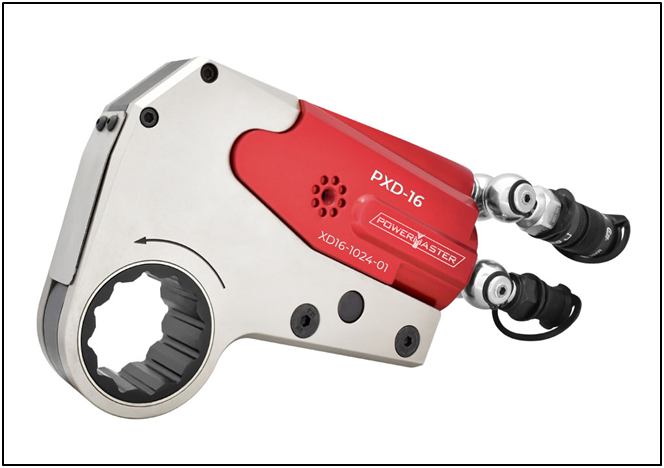
every point of their production process. The hydraulic wrench functions as an essential
instrument because it provides operators with precise control to execute
complicated fastening procedures through its torque delivery system.
Hydraulic
systems decrease the requirement for manual labour while improving operational
precision and reducing human mistakes. The system delivers consistent
performance across all types of extreme working environments.
Role Of Automation In Hydraulic Tools
Automation
eliminates all the problems that arise from workers using manual techniques for
their job duties. A hydraulic wrench uses controlled hydraulic pressure
to deliver precise torque, ensuring safe and effective bolting.
Operators
can now use automated systems to handle pressure control, sequencing, and
performance monitoring tasks, which previously required physical labour. The
system generates faster industrial operations while decreasing human errors and
producing dependable results.
This shift
to automated operation lays the foundation for improved accuracy,
repeatability, and overall efficiency in industrial processes.
1.
Improved Accuracy and
Repeatability
The
automation system enhances accuracy because it maintains precise torque control
during all operational processes. With consistent performance, hydraulic
systems ensure that every bolt is tightened to exact specifications.
Essential
precision exists in power plants, refineries, and heavy equipment assembly
because even minor differences can cause complete operational breakdowns. The
application of torque at consistent levels results in stronger joints, which
enhance system reliability and boost overall performance.
2.
Faster Operations and
Reduced Downtime
Hydraulic
systems with automated power packs and controlled oil flow can achieve quicker
torque cycles while maintaining continuous operational capability.
The system
enables faster maintenance work while decreasing asset downtime and enhancing
productivity throughout manufacturing facilities. The system operates at its
best because its efficient performance enables continuous operations without
any unexpected maintenance downtime.
3.
Enhanced Safety and
Operator Control
Automated
hydraulic systems improve safety by minimizing manual intervention in
high-force operations. The system includes features that manage pressure
transitions in a controlled manner while handling tools securely to lower
hazards that exist with conventional techniques.
An electric
torque wrench provides accurate torque, thereby preventing forced joints and improving
the reliability. The system boosts operator confidence while it creates safer
work environments.
4.
Versatility Across
Applications
Automation
increases the versatility of hydraulic tools. A hydraulic wrench finds
usage in multiple industries that involve flange bolting work, turbine
installation projects, and heavy machinery assembly operations.
Automated
systems enable a single tool to perform multiple tasks efficiently, which
decreases the need for extra equipment while streamlining all operational processes.
Conclusion
Automation
has transformed hydraulic tools, including hydraulic tube pullers, into
advanced systems that deliver precise, rapid, and safe performance for
industrial environments. The automated hydraulic solutions create better
productivity results through their ability to perform difficult tasks, which
maintain quality standards and decrease operational interruptions.
The system
improves operator safety while delivering dependable performance under tough
conditions and making maintenance tasks easier. The use of automation in
industrial operations enables companies to achieve improved resource
efficiency, together with faster, more effective, and more trustworthy
production processes.