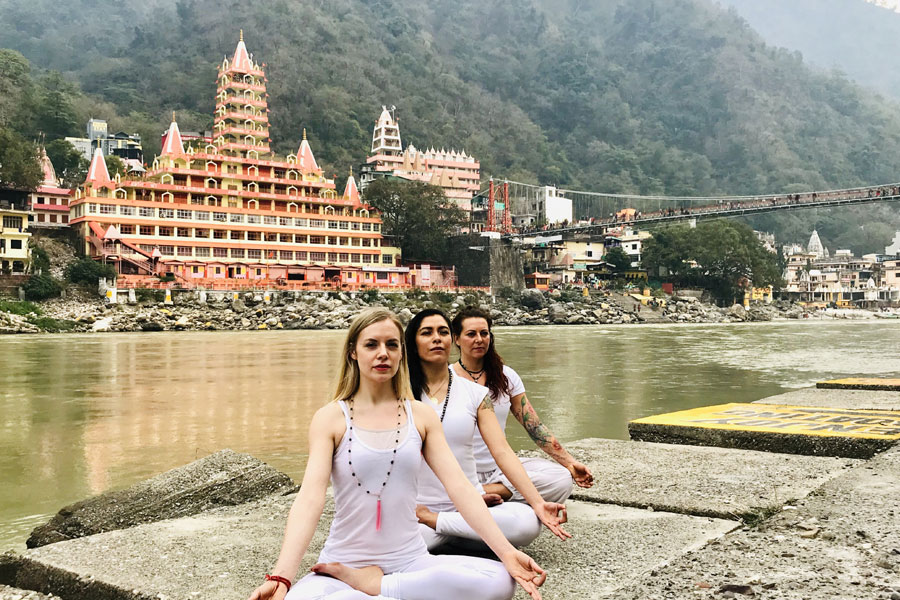
Yoga
education can change considerably as a student moves beyond the foundations.
After gaining experience with regular practice and basic teaching principles,
many practitioners begin looking for a deeper understanding of yoga.
Advanced
teacher training offers an opportunity to explore practices, philosophy,
teaching methods, and personal development with greater dedication. Rishikesh
provides a meaningful setting for this journey, especially for students who
want to spend focused time studying yoga in an environment closely connected
with its traditions.
A
longer training programme can encourage students to look beyond physical
postures and develop a broader understanding of what it means to practise and
teach yoga.
Why Advanced Yoga Study
Can Be Meaningful
The
deeper stages of yoga education are not simply about learning more postures.
They involve understanding how different practices work together and how they
can be adapted to individual students.
Advanced
study may include areas such as:
•
Advanced asana practice
•
Pranayama
•
Meditation
•
Yoga philosophy
•
Anatomy and body awareness
•
Teaching methodology
•
Class planning
•
Practical teaching
•
Personal development
Studying
these areas consistently can help practitioners become more confident and
thoughtful teachers.
Rishikesh as a Place for
Deeper Learning
Rishikesh
has long attracted people interested in yoga, meditation, and spiritual study.
Its natural surroundings and connection with traditional yoga culture create an
environment where students can step away from their usual routines.
For
someone considering a 300 hour yoga
teacher training course in rishikesh, this setting
can provide valuable time for focused practice and study.
Being
surrounded by other practitioners can also create a sense of community.
Students have opportunities to exchange experiences, learn from one another,
and discover different perspectives on yoga.
Moving Beyond the Basics
Advanced
training is particularly useful for practitioners who want to develop a more
mature approach to yoga.
At an
introductory level, students may focus mainly on learning postures and basic
teaching techniques. With continued study, attention can move toward alignment,
sequencing, breath awareness, philosophy, observation, and adapting practices
to different needs.
This
progression helps teachers understand that every class does not have to look
the same.
A
thoughtful teacher learns to respond to the people in front of them rather than
simply following a fixed routine.
Understanding the Role of
Philosophy
Yoga
philosophy provides an important foundation for deeper study.
Ideas
found within traditional yoga teachings can encourage students to reflect on
discipline, awareness, action, concentration, and the relationship between the
mind and everyday life.
Studying
philosophy alongside practical yoga can give teachers a wider perspective. It
can also help them explain the purpose behind certain practices rather than
presenting yoga only as physical exercise.
This
deeper understanding can gradually influence the way a teacher approaches both
personal practice and teaching.
Developing a More Personal
Practice
Advanced
education also creates space for personal exploration.
When
students practise regularly under guidance, they may begin to notice patterns
in their movement, breathing, concentration, and emotional responses. These
observations can become useful parts of their development.
A
consistent practice can encourage greater patience and self awareness. It can
also help students understand that progress in yoga is not always measured by
physical ability.
Sometimes
the most meaningful progress comes from improved concentration, steadier
breathing, or a calmer response to challenges.
What to Look for in an
Advanced Training Programme
Choosing
an advanced teacher training programme requires careful thought. Students
should consider whether the course matches their existing experience and future
goals.
Depth of Curriculum
Look for a programme that explores
yoga from multiple perspectives rather than focusing on physical practice
alone.
Experienced Guidance
Teachers with strong knowledge can
help students work through more complex subjects and practices.
Practical Teaching
Opportunities to teach and receive
feedback can make advanced learning more useful in real situations.
Balanced Learning
A good programme should provide space
for physical practice, theory, meditation, reflection, and teaching
development.
Supportive Environment
Students often learn more
effectively when they feel comfortable asking questions and discussing their
experiences.
The Value of a 300 Hour
Training Journey
A
300 hour yoga teacher training course
in rishikesh can be a suitable option for practitioners who want to
build upon previous yoga education and spend more time exploring advanced
concepts.
The
extended learning period can allow students to revisit familiar subjects from a
new perspective while gradually introducing more depth.
It
may also help teachers identify areas where they want to continue developing,
whether that involves teaching methodology, philosophy, meditation, anatomy, or
their own personal practice.
When Students Want to Go Even
Further
Some
practitioners feel that yoga education becomes a continuing journey rather than
a single course.
For
students looking for an extensive learning experience, a 500
hour yoga ttc rishikesh can offer a broader
opportunity to develop knowledge and teaching skills over a longer period.
Such
advanced study can bring together different aspects of yoga education while
giving students more time to practise, reflect, and develop their approach to
teaching.
The
value of extended training comes from the depth of engagement rather than
simply the number of hours.
Learning at Himalayan Yog Ashram
Himalayan
Yog Ashram offers a setting for students who want to explore yoga through
dedicated study and practice in Rishikesh.
For
advanced practitioners, the learning environment matters because deeper
education requires consistency and concentration. Time spent studying
traditional teachings, practising yoga, exploring meditation, and developing
teaching skills can contribute to a more complete learning experience.
The
atmosphere of Rishikesh can further support students who want to make yoga a
central part of their daily routine during their training.
From Student to More Confident
Teacher
Advanced
training can influence the way teachers understand their responsibility toward
students.
Teaching
is not simply about demonstrating a posture. It involves observing people,
communicating clearly, creating suitable sequences, understanding limitations,
and knowing when a practice should be modified.
A
teacher who continues learning can become more comfortable with these
responsibilities.
Experience
also teaches lessons that cannot always be gained from books. Working with
different students can reveal the importance of patience, adaptability, and
careful communication.
Keeping the Learning Journey
Alive
Completing
an advanced programme should not be viewed as the final destination.
Yoga
continues to offer new areas of exploration. Teachers can keep studying
philosophy, refining their personal practice, attending workshops, learning
from experienced practitioners, and observing how their students respond to
different approaches.
The
most meaningful education often continues long after formal training has ended.
Conclusion
Advanced yoga
education can be a valuable step for practitioners who want to deepen their
knowledge and become more confident teachers. Rishikesh offers a distinctive
environment for this process, allowing students to dedicate time to practice,
philosophy, meditation, and teaching development.
A 300 hour yoga teacher training course in
rishikesh can help experienced practitioners build upon their existing
knowledge while exploring yoga with greater depth. For those seeking an even
broader learning experience, a 500 hour
yoga ttc rishikesh can provide an extended path for continued study and
personal development.
With sincere
practice, thoughtful guidance, and a willingness to keep learning, advanced
yoga education can become a meaningful part of both personal growth and a
lifelong teaching journey.