
Hair loss is often a gradual process rather than
a sudden change. You may first notice extra strands while showering, a
thinner-looking part, a receding hairline, or less volume around the crown.
Acting when these signs first appear can make it easier to identify the cause
and consider suitable treatment options. Finding the best hair clinic in Dubai should not simply be about selecting the most
popular procedure. A thorough assessment, experienced medical professionals,
appropriate treatment recommendations, and realistic expectations all play a
role in achieving a suitable approach to hair restoration.
Why Addressing Hair Loss Early Is Important
Hair shedding can have several possible causes.
Genetics, hormonal fluctuations, nutritional deficiencies, prolonged stress,
certain health conditions, scalp problems, and natural ageing can all influence
hair growth and density. While some forms of shedding may resolve after the
underlying issue is managed, hereditary or pattern hair loss can continue to
progress.
For this reason, understanding the reason behind
hair loss should come before selecting a treatment. A professional consultation
allows a specialist to examine the scalp, assess the pattern of thinning,
review relevant factors, and determine whether additional evaluation may be
necessary.
Addressing the problem at an earlier stage may
also help protect the hair that is still present. When thinning is relatively
limited, suitable non-surgical options may be explored before considering more
extensive restoration procedures.
Exploring Non-Surgical Hair Loss Treatments
Hair restoration does not necessarily begin with
a transplant. Depending on the individual’s condition and diagnosis, a
specialist may recommend non-surgical therapies intended to improve follicular
support and encourage healthier hair growth.
Possible approaches may include:
PRP therapy: Platelet-rich plasma is obtained from the patient’s blood and used on
areas affected by thinning. The treatment is designed to support follicle
function and promote hair growth.
PRP with biotin: This approach combines PRP with biotin and may be incorporated into a
personalized plan for particular hair-loss concerns.
Regenerative therapies: Treatments such as exosome therapy are used in some clinical settings
as an advanced method of supporting follicular activity.
Medical management: Depending on the diagnosis, treatment may also involve suitable
medication, addressing nutritional deficiencies, scalp management, or other
clinically recommended measures.
When Hair Transplantation Becomes an Option
For individuals with more noticeable hair loss,
particularly those experiencing substantial thinning or a receding hairline,
non-surgical treatments may not always deliver the level of coverage desired.
In appropriate cases, hair transplantation can provide another route to
restoring lost density. A hair transplant involves transferring healthy hair
follicles from a donor region to areas where hair has become thinner or
disappeared.
The aim is to create a natural-looking result
while considering the patient’s facial proportions, existing hair pattern,
donor supply, and future hair-loss potential. One widely used technique is
Follicular Unit Extraction, commonly known as FUE. It involves removing
individual follicular units from the donor area and placing them into carefully
planned recipient sites.
Factors That Influence Treatment Selection
Not every person experiencing hair loss requires
the same treatment. The most suitable option can depend on several individual
factors.
Identifying the Cause
Genetic hair loss, alopecia areata, scalp
inflammation, temporary shedding, and other conditions can require very
different approaches. Establishing the underlying reason is therefore an
essential part of treatment planning.
Extent of Hair Loss
The amount and progression of hair loss also
influence the available choices. Someone noticing mild thinning may benefit
from an early treatment strategy, while extensive baldness may require a more
advanced restoration plan.
Donor Hair Condition
For patients considering transplantation, the
donor area is particularly important. The density, strength, and availability
of donor follicles influence how much coverage can potentially be achieved and
how grafts should be distributed.
Desired Outcome
Treatment planning should also reflect personal
expectations. Hairline preferences, desired density, recovery considerations,
lifestyle, and willingness to undergo a procedure can all affect which option
is most appropriate.
The Value of a Professional Consultation
Researching hair-loss treatments online can help
people understand their choices, but general information cannot determine the
right treatment for an individual. Similar-looking patterns of thinning can
sometimes have entirely different causes.
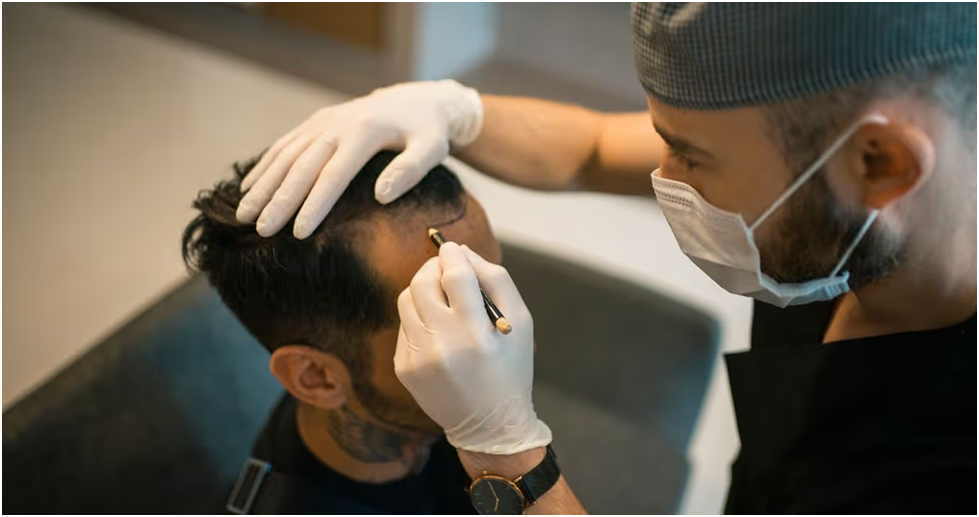
During a professional assessment, a specialist
can evaluate the scalp and hair pattern, discuss potential treatment options,
explain what each procedure involves, and establish whether the patient is a
suitable candidate. This step becomes particularly important when considering
surgical restoration.
What to Expect After a Hair Transplant
Hair transplantation requires patience. The
final appearance does not develop immediately after the procedure, and patients
should understand the normal stages of recovery and growth. It is possible for
transplanted hairs to shed during the early period following treatment. New
growth generally develops gradually over the following months, with noticeable
changes becoming more apparent as the follicles enter their growth cycle.
The final outcome can take considerably longer
to develop. Following post-treatment instructions is equally important.
Patients should carefully follow their specialist’s advice regarding scalp
hygiene, physical activity, medication, sleeping position, and follow-up care.
Proper aftercare supports recovery and helps patients manage the treated area
during the early healing period.
What to Look for When Selecting a Hair Clinic
Selecting a clinic involves more than comparing
treatment prices. Medical qualifications, practitioner experience, available
procedures, consultation standards, technology, safety protocols, aftercare,
and transparency should all be considered before making a decision.
A responsible clinic should explain why a
particular treatment may be suitable and discuss its limitations rather than
suggesting that one procedure can solve every type of hair loss. Patients
should also understand that outcomes differ from person to person.
Looking at before-and-after results can provide
useful context, but photographs should not be treated as a promise of identical
results. Individual factors such as hair characteristics, donor availability,
the extent of hair loss, healing response, and adherence to aftercare can all
influence the outcome.
Conclusion
Managing hair loss effectively starts with
understanding what is causing it and how far it has progressed. Early-stage
concerns may be addressed through appropriate medical assessment and
non-surgical therapies, while people with more advanced loss may consider
transplantation when clinically suitable. The right hair
treatment for hair loss should be selected according to the
individual’s condition, scalp health, donor-hair availability, treatment goals,
and expectations. Cutis International offers a range of non-surgical and
hair-restoration solutions designed around individual requirements. A
professional consultation remains the most practical starting point for
selecting an informed and realistic path toward healthier-looking hair.