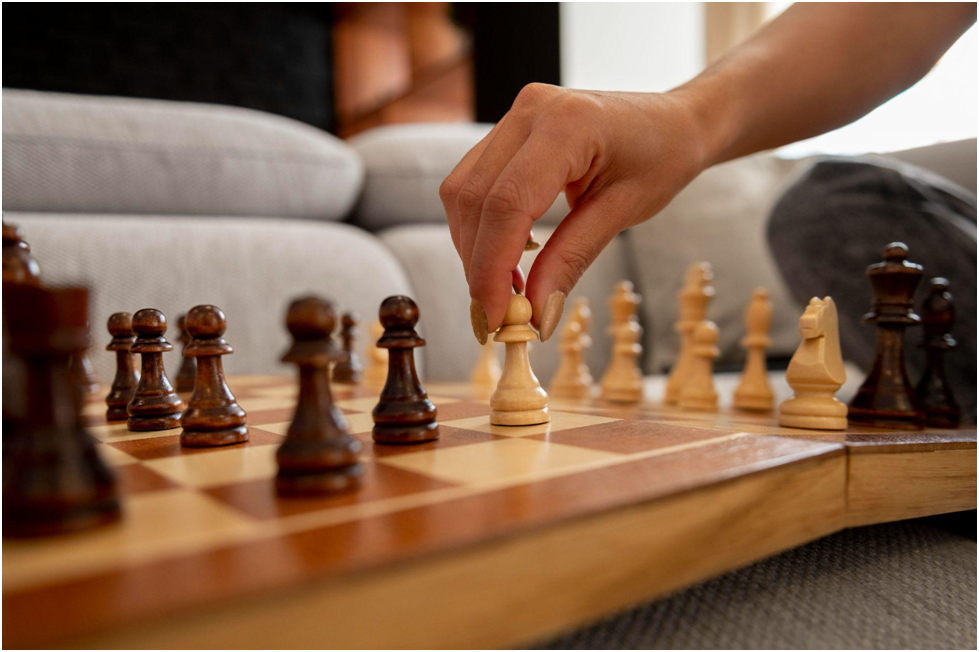

Chess is more
than just a game; it’s a way to sharpen the mind, improve focus, and develop
critical thinking. Many parents and educators are discovering the benefits of
teaching children the art of chess early in life. By enrolling in beginner chess lessons, children gain a structured approach to
understanding the game, learning essential strategies, and building confidence.
These lessons
introduce concepts like piece movement, basic tactics, and simple endgames in a
way that is easy to grasp. At the same time, interactive activities, puzzles,
and friendly matches make learning enjoyable and engaging. Beyond just
mastering the moves, these lessons encourage children to think ahead, plan
strategically, and solve problems creatively, giving them skills that extend
well beyond the chessboard.
Why Chess is a
Great Choice for Kids
Introducing
children to chess offers multiple cognitive and developmental benefits. Here’s
why it’s an excellent choice:
●
Enhances
problem-solving skills: Chess encourages
children to anticipate consequences and plan several moves ahead.
●
Boosts memory: Remembering different positions and strategies
strengthens both short-term and long-term memory.
●
Improves focus
and patience: Chess teaches
children to concentrate for extended periods while waiting for their turn.
●
Encourages
strategic thinking: Learning how to
evaluate risks and rewards in the game translates to decision-making in real
life.
●
Fosters social
interaction: Playing chess
with peers develops communication skills, sportsmanship, and respect for
others.
Key
Components of Effective Beginner Lessons
A well-structured
beginner lessons program goes beyond teaching how pieces move. It focuses on
building a strong foundation for long-term chess growth. Important components
include:
●
Understanding the
board: Children learn
the layout of the chessboard, the names of squares, and how pieces are
positioned at the start.
●
Piece movement
and capturing rules: Each piece has
its own movement pattern, and understanding these rules is crucial.
●
Basic tactics and
strategies: Concepts like
forks, pins, and discovered attacks help kids plan and execute moves
effectively.
●
Simple endgames: Knowing how to convert an advantage into a win
introduces children to essential finishing techniques.
●
Interactive
exercises: Puzzles,
mini-games, and friendly matches make learning enjoyable and practical.
These components
ensure that learners not only memorize moves but also develop an analytical
approach to the game, making the beginner chess lessons experience both
effective and enjoyable.
How
Kids Benefit from Early Chess Education
Starting chess at
a young age equips children with skills that extend beyond the chessboard.
Research shows that early chess education enhances both academic performance
and personal development. Benefits include:
●
Improved math and
logical reasoning: Chess involves
calculations, probability assessment, and pattern recognition.
●
Boosted
creativity: Children
experiment with new moves and strategies, promoting innovative thinking.
●
Enhanced
emotional resilience: Learning to deal
with wins and losses teaches children patience and humility.
●
Better
concentration in academics: The focus
required in chess often translates to improved attention in schoolwork.
With the right
guidance, these advantages grow alongside a child’s cognitive and social
development.
Choosing
the Right Learning Platform
For parents
looking for structured programs, enrolling children in professional classes
offers guidance and a curriculum tailored to young minds. These programs focus
on:
●
Progressive
learning modules: Lessons are
divided into stages, starting with simple concepts and gradually moving to
advanced strategies.
●
Experienced
instructors: Coaches
understand how to engage children, simplify complex concepts, and encourage
regular practice.
●
Interactive
sessions: Online or
in-person classes often include quizzes, puzzles, and group activities to
maintain interest.
●
Performance
tracking: Regular feedback
helps identify strengths and areas for improvement, ensuring consistent
progress.
By enrolling in a
beginner chess course for kids in USA, children can develop confidence while
keeping learning enjoyable and engaging throughout the program.
Tips
for Supporting Your Child’s Chess Journey
Parents play a
crucial role in reinforcing learning outside the classroom. Here are some tips:
●
Practice regularly: Encourage short, frequent practice sessions
instead of long, tiring ones.
●
Use puzzles and
games: Chess puzzles
help children apply strategies and improve problem-solving skills.
●
Watch and learn: Observing online games or tutorials can
introduce kids to different playing styles.
●
Celebrate
progress: Reward effort
and improvement, not just victories, to maintain motivation.
●
Join clubs or
tournaments: Real-life
experience builds confidence and teaches sportsmanship.
These small yet
consistent actions make a significant difference in how children absorb and
enjoy chess.
Understanding
Common Beginner Mistakes
Even with proper
lessons, children may face challenges. Recognizing common mistakes early helps
correct them efficiently:
●
Ignoring piece
safety: Young learners
often overlook the importance of protecting key pieces.
●
Overlooking
opponent’s threats: Focusing only on
their moves can lead to tactical errors.
●
Poor opening
principles: Neglecting piece
development or king safety in the opening phase can hinder progress.
●
Rushing moves: Impatience often leads to blunders, emphasizing
the need for careful thinking.
●
Lack of endgame
knowledge: Many beginners
struggle to finish games effectively, even with an advantage.
Addressing these
mistakes gradually ensures that children develop both skill and strategic
maturity.
Creating
a Positive Learning Environment
The environment
in which a child learns chess can significantly impact their experience. Key
factors include:
●
Encouragement and
support: Praise efforts,
celebrate small wins, and provide constructive feedback.
●
Distraction-free
space: A quiet area
helps maintain focus during lessons and practice.
●
Availability of
resources: Books, apps, and
online tutorials complement formal lessons.
●
Peer interaction: Playing with friends or classmates keeps
learning social and enjoyable.
A positive
atmosphere nurtures both skill development and a love for the game.
Long-Term
Benefits of Chess Education
The skills gained
from chess extend well beyond childhood. Long-term benefits include:
●
Analytical
thinking: The ability to
assess situations critically and make informed choices.
●
Enhanced academic
performance: Chess helps with
math, logic, and reading comprehension.
●
Improved memory
and focus: Retaining
strategies and positions strengthens cognitive abilities.
●
Better social
skills: Interacting with
peers in games promotes teamwork and patience.
●
Self-confidence: Success in chess builds confidence and resilience
in other areas of life.
Early chess
education lays the groundwork for lifelong learning and achievement.
Conclusion
Chess is a
powerful tool for developing critical thinking, focus, and social skills in
children. By enrolling in a beginner chess course for kids in USA, structured
lessons ensure they grasp the fundamentals and build a solid foundation. By
integrating regular practice, positive reinforcement, and the right resources,
children can enjoy a rewarding learning journey.
Platforms like Chessbrainz provide a reliable and engaging way to guide
young learners. With experienced instructors and tailored programs, your child
can experience the benefits of chess while having fun. Encourage your child to
start today, and watch them grow into confident and strategic thinkers.