
Hernia treatment has advanced significantly,
offering patients multiple surgical options based on their condition and
overall health. Open and laparoscopic hernia surgeries are two commonly
recommended approaches, each with its own benefits, recovery timelines, and
suitability factors. Understanding these differences helps patients make
informed decisions about their care.
Consulting a qualified hernia specialist is important in this
process, as the choice of procedure depends on the type of hernia, symptom
severity, and individual medical needs. A specialist evaluates these factors
carefully to recommend the most appropriate technique. With proper guidance and
clear information, patients can approach treatment confidently and plan their
recovery with realistic expectations.
What Is a Hernia and Why Is Surgery
Recommended?
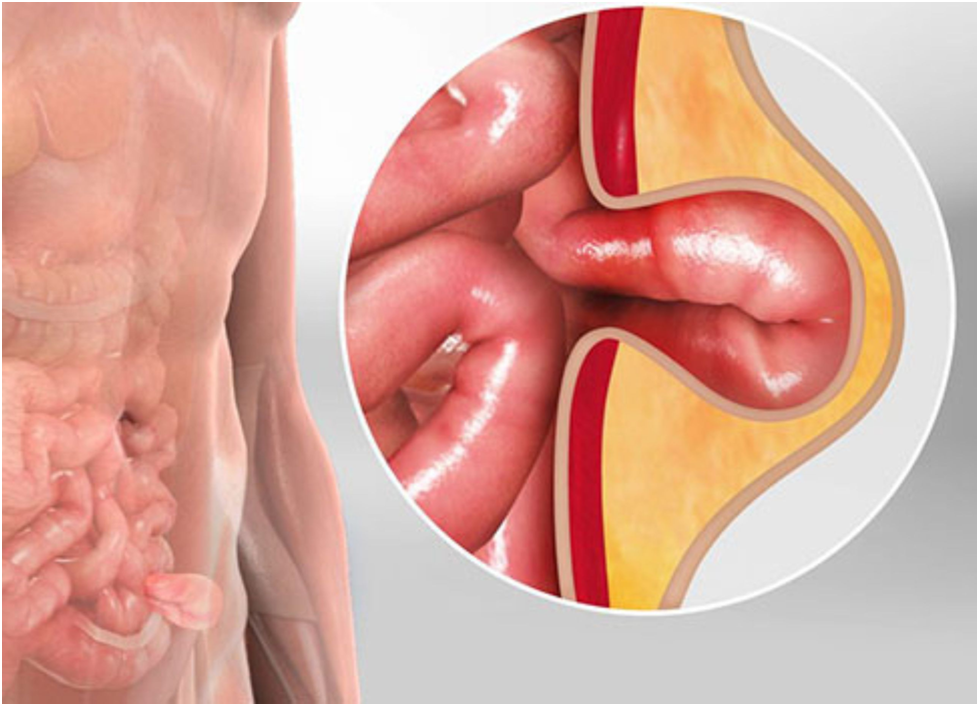
A hernia occurs when internal tissue, most often
part of the intestine, pushes through a weak area in the abdominal muscle wall.
Common types of hernia include inguinal, femoral, umbilical, and incisional
hernias. While some hernias may remain unchanged for some time, they do not
heal on their own and can slowly become more noticeable.
Surgery is advised to reposition the tissue and
strengthen the affected area of the muscle. This helps reduce discomfort and
supports better long-term function. Both open and laparoscopic hernia repair
are widely used surgical approaches, with the choice based on individual medical
assessment.
Open Hernia Surgery Explained
Open hernia surgery is a traditional and
well-established technique. In this procedure, the surgeon makes an incision
near the hernia, providing direct access to the affected area. The protruding
tissue is carefully repositioned, and the weakened muscle wall is repaired,
often with mesh support.
This approach is commonly recommended for larger
hernias or cases where direct visual access is important. It may also be
suitable for patients who are not ideal candidates for general anaesthesia, as
some open repairs can be performed using local or regional anaesthesia.
Recovery usually involves a gradual return to normal activities, with some
expected discomfort during the healing process.
Laparoscopic Hernia Surgery Explained
Laparoscopic hernia surgery is a minimally
invasive technique performed through small incisions. A camera and specialised
instruments allow the surgeon to repair the hernia from inside the abdomen
while viewing the procedure on a screen.
This method is often considered for patients
with hernias on both sides or for those who have experienced a recurrence after
prior repair. Smaller incisions may result in less post-operative discomfort
and earlier mobility. However, laparoscopic surgery typically requires general
anaesthesia and may not be suitable for all patients, particularly those with
complex medical histories.
Direct Comparison Between Open and
Laparoscopic Surgery
While both surgical methods aim to repair a
hernia effectively, several practical and clinical differences influence how
specialists recommend one approach over the other.
Incision size: Open surgery involves a single, larger incision, whereas laparoscopic
surgery uses smaller incisions.
while laparoscopic surgery generally requires general anaesthesia.
activities compared to open surgery.
Surgical access: Open surgery provides direct access to the hernia site, while
laparoscopic surgery offers internal visual assessment.
Clinical suitability: Certain hernias or patient conditions may be better managed with one
approach over the other.
These differences explain why the choice of
procedure depends on individual evaluation rather than a standard
recommendation.
How Specialists Decide the Right
Approach?
Before recommending open or laparoscopic
options, specialists assess a range of medical and lifestyle factors to ensure
the chosen method is safe and appropriate. Here are some factors a surgeon
considers:
●
Type and size of the hernia
●
Whether the hernia is a first
occurrence or a recurrence
●
Patient’s age and general health
condition
●
History of previous abdominal
surgeries
●
Level of daily physical activity
By considering these factors together, a hernia
specialist aims to recommend a surgical process that supports effective
repair and a stable recovery.
Safety and Risk Considerations
Both open and laparoscopic hernia surgeries are
widely performed procedures when carried out by trained surgical teams. Like
any medical treatment, they involve considerations such as temporary
discomfort, the risk of infection, and the possibility of the hernia returning.
These are usually uncommon and are addressed through careful planning and
regular follow-up.
Patients are encouraged to follow post-surgery
instructions closely and attend all review appointments. Staying in touch with
the healthcare team helps support a smooth healing process and a comfortable
recovery.
Conclusion
Open and laparoscopic hernia surgeries both
offer effective treatment outcomes when selected appropriately. Rather than
following a fixed approach, surgeons assess the patients’ condition, hernia
type, lifestyle, and medical history before suggesting the most suitable
method. Understanding how these procedures differ in terms of recovery,
comfort, and daily activity helps patients participate actively in their
treatment decisions. Discussing options with a qualified doctor ensures that
the chosen technique aligns with individual needs. With proper guidance and
post-surgery care, patients can expect safe treatment and lasting improvement
in quality of life.