Joint pain can creep into everyday life. You might notice your knee aching after a walk, your shoulder hurting when you reach for something on a shelf, or your hip stiffening when you get out of bed. It is tempting to put these changes down to age, tiredness or a little too much activity. However, when discomfort keeps returning or starts affecting your routine, it deserves closer attention.
When Does Joint Pain Need Medical Attention?
Occasional soreness after physical activity often improves with rest. Persistent pain follows a different pattern. If your joint pain lasts several days, keeps flaring up, or improves little despite basic care, see a doctor. Pain that lasts for a few weeks should not be ignored, particularly if it affects your ability to walk, climb stairs, sleep or carry out everyday tasks.
You should seek medical advice sooner if the pain follows a fall or injury, or if you experience significant swelling, restricted movement or difficulty putting weight on the affected joint. A joint that suddenly becomes hot, red, and swollen, especially with a fever, needs urgent medical assessment. Severe pain or an obvious deformity after an injury also warrants immediate attention.
What Could Be Causing the Pain?
Joint pain has several possible causes, and the location alone rarely tells the whole story. Osteoarthritis, for instance, develops as joint structures change over time. It commonly affects the knees, hips and hands, causing stiffness, discomfort and difficulty moving. Rheumatoid arthritis is an inflammatory condition that can cause pain and swelling and often affects several joints.
Injuries can also damage ligaments, tendons or cartilage. Sometimes, discomfort develops gradually from repeated strain rather than a single incident. Back or neck problems may cause pain that travels into the arms or legs, so it’s important to identify the source before choosing treatment.
This is why relying on painkillers or assuming that every ache is age-related can delay appropriate care. An accurate diagnosis helps determine what the joint needs and which treatments are likely to be useful.
What Happens During an Orthopaedic Consultation?
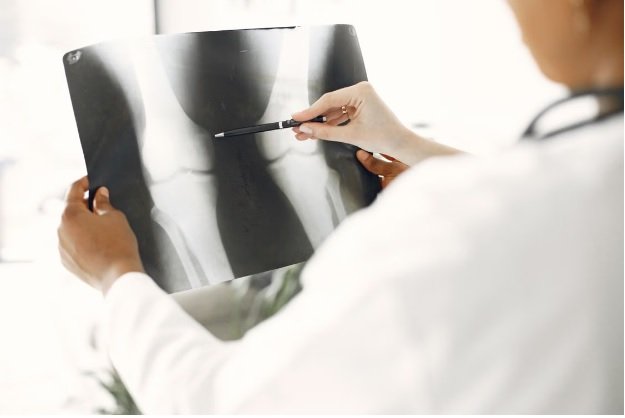
An orthopaedic specialist assesses problems affecting bones, joints, muscles, ligaments and tendons. During your appointment, the doctor will ask when the pain began, what makes it worse and whether it interferes with movement. They may examine the joint, assess its range of motion and check for swelling or tenderness. Depending on the findings, you may need an X-ray, MRI scan or other investigations. These tests help identify structural changes, injuries or other possible causes of your symptoms.
Treatment depends on the diagnosis. Many conditions can be managed with physiotherapy, appropriate medication, activity adjustments and guided rehabilitation. Surgery may be considered when a condition causes substantial pain or disability and other treatments have not provided sufficient relief. Procedures such as knee or hip replacement are options for certain advanced joint conditions, but they are not necessary for every patient with persistent pain.
For people in Kakinada, for example, seeking care for persistent joint pain, choosing the best hospital in Kakinada may involve looking at the availability of orthopaedic specialists, diagnostic facilities and rehabilitation services.
Can Everyday Habits Help Protect Your Joints?
Movement remains important, even when a joint feels uncomfortable. The key is choosing activity that suits your condition rather than pushing through pain. Gentle walking, prescribed exercises and physiotherapy may help maintain flexibility and muscle strength. Maintaining a healthy weight can also reduce the load on weight-bearing joints, particularly the knees and hips.
Pay attention to recurring patterns. If your knee hurts after a particular activity or your fingers feel stiff every morning, share these details with your doctor. Keeping a brief symptom record can make your consultation more productive.
Finding the Right Care Close to Home
If joint pain starts affecting your daily routine, look for an orthopaedic specialist who can assess the cause and recommend suitable treatment. Access to appropriate diagnostic facilities and rehabilitation support can also be useful, particularly when ongoing care is needed.
For residents looking for the best hospital near Amalapuram, choose a hospital based on the availability of relevant specialists and the facilities needed for diagnosis and treatment. Persistent joint pain deserves attention, especially when it starts limiting movement or interfering with sleep. An early assessment can help identify the cause and guide the next steps.