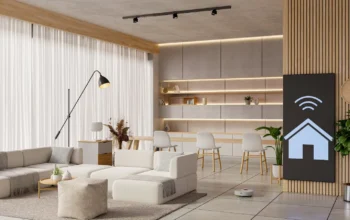
Residential technology has moved beyond entertainment systems and internet-connected televisions. Today, homeowners can use digital devices to manage lighting, monitor security, control air-conditioning and automate selected household activities.
In Singapore, where technology plays an increasingly important role in everyday life, smart home features are becoming an interesting consideration for residential buyers. These systems can improve convenience, although their usefulness depends on how well they suit a household’s actual needs.
Understanding the available technologies can help homeowners distinguish between practical improvements and expensive features that may receive little everyday use.
What Makes a Home Smart?
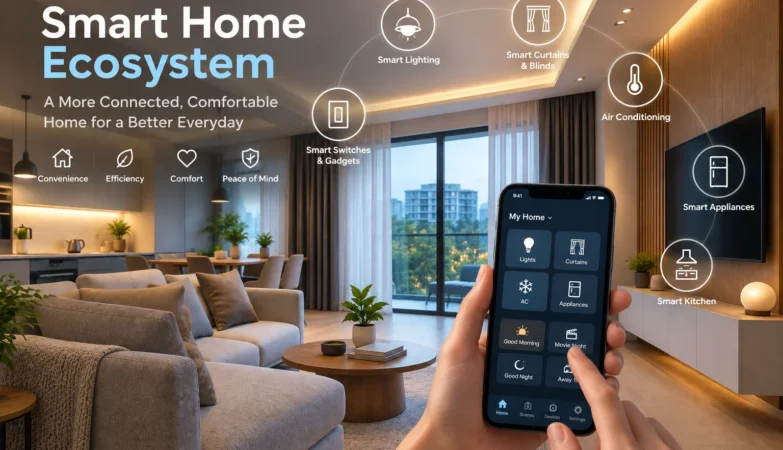
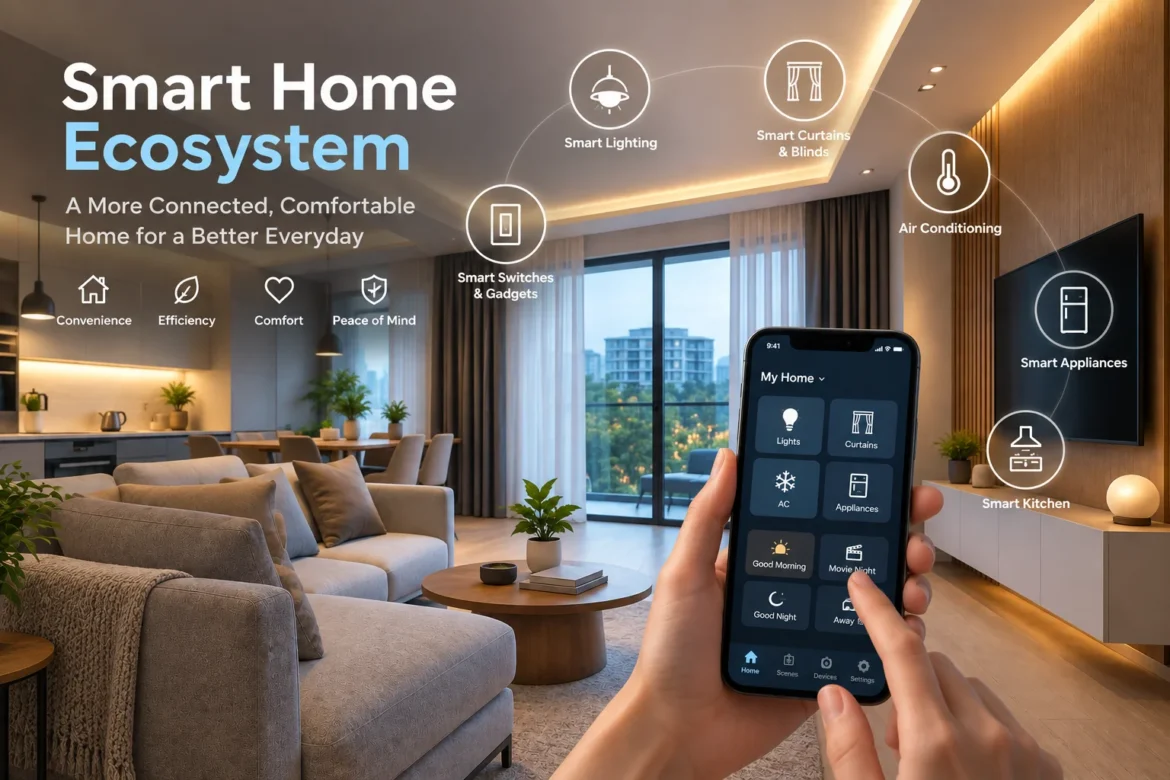
A smart home uses connected devices and automation systems to control or monitor different household functions.
These devices may communicate through wireless networks, dedicated hubs or compatible mobile applications.
Common examples include intelligent lighting, automated curtains, digital door locks, motion sensors and remotely controlled air-conditioning systems.
Some systems allow homeowners to create schedules. Lights can switch on automatically at selected times, while air-conditioning can be adjusted remotely before residents arrive home.
The objective is to simplify household management through technology rather than require manual operation of every device.
Improve Household Security With Connected Devices
Security is one area where smart technology can provide practical benefits.
Digital door locks may allow residents to unlock entrances using authorised codes, cards or mobile applications, depending on the model.
Video doorbells and security cameras can provide additional monitoring capabilities.
Some systems also send notifications when movement is detected or when an entrance is accessed.
However, homeowners should remember that connected security devices require responsible configuration and regular maintenance.
Strong passwords, software updates and secure home networks are essential for reducing cybersecurity risks.
Digital security features should complement sensible physical security practices rather than replace them.
Energy Management and Everyday Efficiency
Smart technology can also help households monitor energy consumption.
Connected air-conditioning controls may allow residents to adjust operating schedules according to their daily routines.
Intelligent lighting systems can reduce unnecessary electricity use by switching off lights when rooms are unoccupied.
Smart plugs and energy monitoring devices may provide information about the electricity consumption of selected appliances.
These features can help homeowners understand their usage patterns and identify opportunities to reduce wastage.
Nevertheless, installing smart devices does not automatically guarantee lower utility bills. Actual savings depend on household behaviour, equipment efficiency and electricity consumption.
Designing a Home Around Technology
Smart home planning should begin with the residential layout.
The location of electrical sockets, internet connections and wireless routers can influence how easily devices are installed.
Some technologies may require additional wiring or specialised installation.
Homeowners should therefore consider compatibility before purchasing equipment.
A system that depends on several unrelated applications may become difficult to manage.
Choosing products that work together within a suitable ecosystem can make household automation more straightforward.
When examining residential options such as Bedok Rise Residences, prospective buyers can review available project information and consider whether the unit configuration supports their preferred technology setup.
They should verify electrical provisions and installation restrictions rather than assuming every modification will be permitted.
Smart Technology for Different Household Needs
Not every household requires the same collection of connected devices.
Young professionals may appreciate automated lighting and remote air-conditioning controls because of their working schedules.
Families might prioritise digital access management and monitoring features that support household routines.
Older residents may benefit from simple voice-controlled lighting or selected alert systems that reduce the need to operate multiple switches.
The most effective setup is one that addresses genuine everyday challenges.
Purchasing unnecessary devices can increase costs while creating additional maintenance responsibilities.
Privacy Should Never Be Overlooked
Connected devices can collect information about household activity, usage patterns and personal preferences.
Homeowners should understand what information their devices collect and how manufacturers process that information.
Before installing cameras or voice-controlled assistants, review privacy settings and data storage arrangements.
It is also sensible to disable unnecessary permissions and replace default device passwords.
Families should discuss the placement of indoor cameras and other monitoring equipment to respect the privacy of everyone living in the home.
Maintenance and Long-Term Compatibility
Smart home technology requires ongoing attention.
Devices may need firmware updates, battery replacements and occasional troubleshooting.
Some systems depend on manufacturer cloud services, meaning their functionality could change if a service is discontinued.
Homeowners should consider product support, warranty conditions and replacement availability before investing in an extensive setup.
Avoid building an entire household system around technology that has unclear long-term support.
For those comparing developments, North Park Central can be included in a wider residential research exercise, particularly when examining available project details and considering how modern living requirements influence property selection.
Will Smart Features Influence Property Appeal?
Technology may become an additional selling point as more households become familiar with connected devices.
However, buyers should distinguish between permanent property features and removable equipment installed by individual owners.
A digital lock or automated lighting system may improve convenience, but these features should not overshadow important fundamentals such as location, layout, construction quality and affordability.
Investors should also avoid assuming that smart home installations will necessarily generate higher rental income or resale prices.
The value of technology depends on buyer preferences, equipment quality and the practical benefits it provides.
Conclusion
Smart home technology offers Singapore residents new ways to manage security, lighting, energy consumption and everyday household activities.
Its greatest advantage lies in simplifying routines rather than introducing unnecessary complexity.
Homeowners should prioritise compatibility, privacy, maintenance and practical usefulness when choosing connected devices.
As residential lifestyles continue to evolve, thoughtfully integrated technology may become an increasingly familiar part of modern housing. The most successful smart home, however, will always be one that makes daily living more comfortable for its occupants.