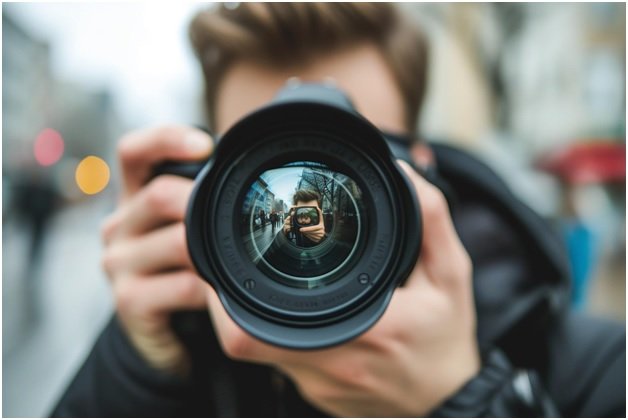
Choosing a camera involves more than looking at megapixels or a stylish body. The right equipment should match the photographer’s needs, preferred subjects, shooting conditions, and creative approach. Modern cameras combine advanced imaging technology with intuitive controls, making photography more accessible while giving experienced users greater creative flexibility.
When comparing options, the best digital camera offers a useful balance of image quality, handling, lens compatibility, focusing performance, and dependable operation. Understanding these features makes it easier to evaluate different camera categories and identify equipment that suits everyday photography, travel, portraits, landscapes, or more specialized creative work.
Core Features That Shape Modern Camera Performance
Modern camera performance depends on a combination of imaging capability, lens quality, controls, focusing systems, and practical handling, not a single specification.
1. Image Quality And Sensor Performance
Image quality remains one of the most important factors when evaluating a camera. Sensor size, resolution, image processing, and lens performance all influence the final photograph. A capable sensor can capture greater detail while maintaining useful image quality in different lighting conditions. Higher resolution can provide additional flexibility for cropping, printing, and detailed compositions. However, photographers should consider the complete imaging system rather than judging performance solely by megapixel count. Balanced sensor and processing capabilities often provide more practical value.
2. Lens Options And Optical Flexibility
The lens plays a major role in determining how a camera performs across different photographic situations. Wide-angle lenses suit landscapes and architecture, while standard focal lengths work well for everyday photography and portraits. Telephoto lenses provide greater reach for distant subjects. Interchangeable-lens systems offer photographers more creative flexibility because they can choose lenses to match specific shooting needs. Even fixed-lens cameras can offer versatility when their focal length, aperture, and optical design match everyday photography needs.
3. Autofocus And Focusing Precision
Reliable focusing helps photographers capture sharp images at the right moment. Modern focusing systems can assist with moving subjects, portraits, street photography, and spontaneous scenes. Autofocus speed and accuracy matter most when subjects move quickly or when you have limited time to compose an image. Manual focusing remains valuable for photographers who prefer greater control over composition and creative depth. A camera offering dependable focusing options gives users greater flexibility across different photographic styles and shooting environments.
4. Low-Light Capability And Exposure Control
Photography does not always happen under ideal lighting. Cameras with strong low-light performance can help photographers capture clearer images in evening scenes, indoor environments, and other challenging conditions. Exposure controls such as shutter speed, aperture, and ISO allow users to manage brightness and creative effects. These controls also help photographers respond more effectively to changing light. A camera that provides intuitive access to exposure settings can make it easier to achieve consistent results while encouraging experimentation with motion, depth, and atmosphere.
Choosing A Camera Around Personal Photography Needs
Different photographers prioritize different combinations of performance, portability, control, and creative flexibility when selecting their equipment.
1. Travel And Everyday Photography
Travel photographers often need equipment that balances image quality with portability. A compact body is easier to carry through long days of sightseeing, while versatile lenses reduce the need to change equipment often. Compact cameras can offer a practical solution for photographers who want strong image-making capabilities without carrying a larger system. The ideal choice should fit naturally into travel routines while providing enough flexibility for architecture, people, landscapes, food, and spontaneous moments.
2. Portrait Photography
Portrait photography benefits from accurate focusing, strong lens performance, and effective control over depth of field. A suitable camera should allow photographers to separate subjects from backgrounds while maintaining pleasing detail and natural-looking results. Lens selection matters because focal length and aperture shape perspective and background rendering. Reliable autofocus can also help maintain focus on a subject’s eyes and face. Together, these features give photographers greater control over expression, composition, lighting, and overall visual character.
3. Street And Documentary Photography
Street photography often requires speed, discretion, and responsive handling. A camera that starts quickly and offers intuitive controls can help photographers capture fleeting moments without interrupting the scene. Compact designs can also make equipment easier to carry and handle in busy environments. Manual controls may appeal to photographers who prefer setting exposure themselves, while reliable autofocus can help when subjects appear unexpectedly. The best setup should encourage photographers to remain focused on observation and composition rather than complicated equipment adjustments.
4. Landscape And Architectural Photography
Landscape and architectural work often emphasizes detail, perspective, dynamic range, and lens selection. Wide-angle options can help capture expansive scenes, while high-resolution imaging can preserve fine textures and structural details. Photographers may also benefit from precise manual controls when working with carefully composed scenes. A stable shooting setup and appropriate lens can further improve results. Cameras with flexible lens systems can provide greater creative control when photographers move between wide environmental compositions and more focused architectural details.
Practical Considerations For A Long-Term Camera Choice
A camera purchase should consider more than immediate specifications because equipment can become part of a photographer’s creative workflow for years.
Before selecting a best digital camera, buyers should consider intended use, available lenses, body design, image requirements, shooting frequency, and budget. It is also useful to evaluate whether the system provides room for future growth. A photographer beginning with everyday images may later explore portraits, travel, wildlife, or professional assignments. Choosing equipment with appropriate expansion options can therefore provide greater long-term value. Also consider accessories and support services, because dependable maintenance and compatible equipment contribute to a smoother ownership experience.
Conclusion: Finding The Right Camera For Your Vision
A great camera combines image quality, optical performance, focusing accuracy, exposure control, comfortable handling, and flexibility. Instead of choosing equipment based on a single specification, photographers can compare features according to their shooting habits and creative goals. The right system should make photography easier while providing enough control to explore new styles and subjects.
For photographers looking for a digital camera, Leica UAE offers a broad photography portfolio covering Leica M, SL, Q, and compact camera categories, along with compatible lenses and accessories. Their collection includes options such as the Leica M11-P, Leica M EV1, Leica Q3 43, and D-Lux 8, giving photographers different approaches to portability, control, and creative expression.