Aluminium is widely used across architecture, construction, manufacturing, transportation, and industrial applications because it offers a practical balance of strength, low weight, corrosion resistance, and design flexibility. However, the performance and appearance of an aluminium component can depend just as much on its surface treatment as on the metal itself. The right finishing process can improve durability while also giving profiles a refined appearance suited to modern applications.
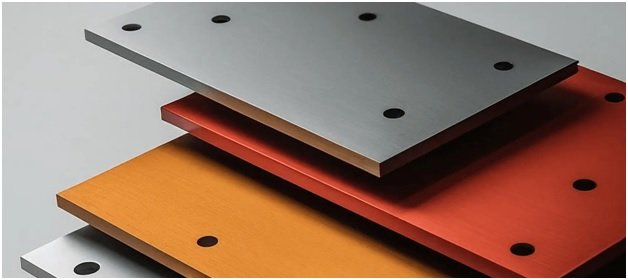
Among the different finishing options available today, anodised aluminium sections have become a popular choice for projects that require both reliable surface performance and visual consistency. Anodising creates a protective oxide layer on the aluminium while retaining its characteristic metallic appearance, making the process particularly useful for architectural and industrial components.
Understanding Aluminium Surface Finishing
Surface finishing refers to processes used to alter or improve the external characteristics of an aluminium product. Depending on the application, finishing may enhance corrosion resistance, improve appearance, increase surface durability, or provide a specific colour or texture.
Aluminium can be finished through several methods, including anodising and powder coating. Each method has its own characteristics and applications. The appropriate choice depends on factors such as environmental exposure, design requirements, maintenance expectations, and the intended service life of the product.
For manufacturers, finishing is therefore not simply an aesthetic consideration. It can form an important part of the overall performance strategy for an aluminium component.
How the Anodising Process Works
Anodising is an electrochemical process that strengthens the naturally occurring oxide layer on aluminium. During the process, the aluminium component is treated under controlled conditions to develop a thicker and more stable oxide layer on its surface.
Unlike a conventional paint layer, the anodised surface becomes an integral part of the aluminium. This characteristic gives the finish good resistance to everyday wear and environmental exposure while preserving the underlying properties of the metal.
The appearance of the finished product can vary depending on the alloy, preparation, anodising conditions, and required finish. Proper control of these factors is important when projects demand consistency across multiple profiles.
Why Anodising Is Valuable for Architectural Applications
Architecture frequently combines structural performance with visual design. Window frames, doors, partitions, facades, railings, and other aluminium elements may remain visible after installation, meaning their surface appearance can contribute significantly to the overall look of a building.
Anodising can provide these components with a clean and durable appearance without completely hiding the natural character of aluminium. This makes the process suitable for contemporary architectural designs where metallic finishes are preferred.
The surface can also withstand regular handling and exposure, making it useful for components that need to remain visually appealing while experiencing everyday use.
For designers working on large projects, anodised aluminium sections can provide consistency across different architectural elements when extrusion and finishing are properly controlled.
The Appeal of Dark Aluminium Finishes
Modern architecture has increasingly embraced darker colours for frames, doors, windows, partitions, and decorative elements. Dark finishes can create strong contrasts with glass, concrete, stone, wood, and lighter surfaces.
Black anodised aluminium is particularly suitable for projects where designers want a darker metallic appearance without moving away from aluminium as the base material. It can be incorporated into residential buildings, offices, commercial spaces, interiors, and other architectural environments.
The darker finish can also create visual continuity when several aluminium elements are used throughout a project. However, achieving consistent colour and appearance requires careful control during surface preparation and finishing.
For large-scale projects, even minor differences between profiles can become noticeable after installation. This makes manufacturing consistency an important consideration when selecting a finishing partner.
Anodising Compared With Other Finishing Methods
Anodising is not the only option available for aluminium. Powder coating is another widely used method, particularly when a project requires extensive colour choices or a specific decorative appearance.
Powder coating involves applying a dry powder to the aluminium surface and curing it under controlled conditions. It can provide a broad range of colours, textures, and finishes, making it suitable for architectural as well as industrial requirements.
Anodising, by comparison, retains more of the aluminium’s natural visual character. The choice between the two depends on the project’s functional and aesthetic requirements.
Factors such as exposure, desired appearance, maintenance, colour requirements, and application environment should therefore be considered before selecting a finishing process.
Why the Extrusion Process Matters
A high-quality finish begins with a well-produced aluminium profile. Extrusion determines the shape, dimensions, wall thickness, and overall geometry of the component. If the profile itself does not meet the required specifications, surface finishing alone cannot compensate for manufacturing inaccuracies.
Aluminium extrusion allows manufacturers to produce continuous profiles in a wide range of shapes. These profiles can then be cut, machined, anodised, powder coated, or otherwise processed according to the final application.
For this reason, businesses can benefit from working with manufacturers that understand both extrusion and surface finishing. Coordinating these stages can simplify production and help maintain consistency throughout the manufacturing process.
Selecting the Right Finish for the Application
The correct surface treatment depends heavily on where and how an aluminium component will be used. An indoor partition, for example, may have very different requirements from an exterior facade exposed to changing weather conditions.
Environmental exposure should therefore be evaluated before selecting a finish. Temperature, moisture, pollutants, handling frequency, and cleaning requirements can all influence the long-term performance expectations of a component.
Aesthetic requirements should also be considered. Projects may require natural metallic finishes, darker tones, specific colours, or particular surface textures. Understanding these requirements early can help manufacturers recommend an appropriate finishing approach.
Quality Control and Surface Consistency
Surface finishing requires careful process control. Variations in preparation, chemical treatment, temperature, processing time, or other production conditions can affect the final appearance and performance of the aluminium.
Quality inspection is therefore important at different stages of production. Dimensional checks can confirm whether the extruded profile meets specifications, while surface inspection can identify inconsistencies that may affect the finished product.
This becomes especially important when a project requires a large quantity of visually matching components. Maintaining consistent extrusion and finishing processes can help reduce variation between individual profiles.
Customisation Beyond Standard Profiles
Different industries often require aluminium components with specialised dimensions or geometries. While standard profiles can meet many common requirements, certain projects may benefit from custom extrusion.
Custom profiles can be developed around specific structural, functional, or design requirements. Features can be incorporated into the profile to support assembly, fastening, heat management, or integration with other components.
After extrusion, these profiles can undergo finishing and machining processes to create components ready for their intended applications. This integrated approach can reduce the need for multiple external suppliers and simplify production coordination.
Applications Across Industries
Aluminium finishing is relevant across a wide range of sectors. In construction and architecture, finished profiles can be used for windows, doors, facades, partitions, railings, and interior structures.
In industrial environments, aluminium components may be used in machinery, equipment frames, enclosures, workstations, and structural assemblies. Electronics and HVAC applications can also benefit from aluminium’s combination of lightweight construction and thermal properties.
Transportation and automotive applications represent another important area. Here, aluminium can help manufacturers balance structural requirements with weight considerations, while an appropriate finish can provide additional surface protection.
The specific extrusion design and finishing process should always be selected according to the technical requirements of the application.
Conclusion
Aluminium surface finishing can significantly influence both the appearance and functional performance of an aluminium component. Anodising provides a durable surface treatment that preserves much of aluminium’s natural character, while darker finishes offer additional design flexibility for contemporary architectural applications.
From architectural systems and interiors to industrial components and specialised engineering applications, anodised aluminium sections can provide a combination of durability, visual appeal, and versatility. Black anodised aluminium can further support projects seeking a modern and distinctive appearance.
With capabilities covering aluminium extrusion, anodising, powder coating, machining, and customised profile development, JM Aluminium can support businesses looking for integrated aluminium manufacturing and finishing solutions.