Interior spaces are shaped by more than furniture layouts and colour schemes. The surfaces used on cabinets, workstations, wardrobes and wall panels influence the overall appearance of a room as well as its everyday usability. Whether designing a family home, a corporate office or a hospitality space, choosing the right surface material requires a balance between aesthetics, durability, maintenance and budget.
Decorative laminates offer designers and property owners considerable flexibility when planning modern interiors. They are available in a wide range of colours, textures and patterns, making it easier to create coordinated spaces without relying exclusively on natural materials. When considering Virgo HPL, buyers should look beyond appearance and understand how product specifications, installation requirements and intended use influence the performance of a finished surface.
Why Surface Selection Matters in Interior Design
Surfaces are among the most frequently used elements of an interior. Kitchen cabinets are opened repeatedly throughout the day, office desks experience constant contact with equipment, and wardrobes must maintain their appearance despite regular handling. A surface that looks attractive but is unsuitable for its environment may require more maintenance or replacement than anticipated.
Material selection should therefore begin with the purpose of the space. A residential bedroom may benefit from warm colours and subtle textures, while a commercial reception area may require a finish that supports a professional visual identity. Kitchens and work areas may need surfaces selected for their expected exposure to stains, heat, moisture and frequent cleaning.
Designers must also consider how different materials work together. Cabinet fronts, wall panels, flooring and furniture should complement one another without making the space feel visually crowded. A carefully chosen laminate can provide consistency across several interior elements while allowing other materials and decorative details to stand out.
Understanding the Characteristics of High-Pressure Laminates
High-pressure laminate, commonly called HPL, is manufactured by combining layers of paper and resin under heat and pressure. This process creates a decorative surface designed for applications where durability and appearance are both important. Depending on the product grade and construction, HPL may offer resistance to scratches, stains, impact and everyday wear.
However, not every laminate has identical performance characteristics. Thickness, surface finish, manufacturing specifications and the substrate used beneath the laminate can all affect the final result. The suitability of a product also depends on how it is installed and the conditions in which it will be used.
HPL should not be assumed to be completely waterproof, heatproof or immune to damage. Edges, joints and underlying boards may remain vulnerable if they are exposed to unsuitable conditions or installed incorrectly. Reviewing the manufacturer’s technical information before purchasing helps ensure that the selected material matches the demands of the intended application.
Matching Colours and Textures to Interior Styles
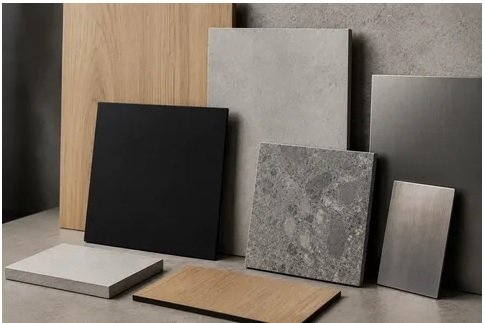
Decorative laminates allow designers to explore a variety of visual styles. Wood-inspired patterns can introduce warmth into contemporary rooms, while stone-inspired designs may create a more refined appearance. Solid colours work well in minimalist interiors, and textured finishes can add depth without requiring additional decorative elements.
The choice of finish can influence the atmosphere of a room. Matte surfaces often suit understated interiors, while glossy finishes can reflect light and create a brighter impression. Neither option is universally better; the decision should reflect the room’s lighting, intended use and wider design scheme.
Colour coordination is equally important. Neutral shades can provide a flexible background for furniture and accessories, whereas contrasting colours can help distinguish individual areas within an open-plan space. When selecting samples, designers should assess them under lighting similar to that of the finished interior, as daylight and artificial lighting can change how a colour or texture appears.
Choosing the Right Laminate for Different Applications
Residential projects often use laminates for wardrobes, kitchen cabinets, storage units, study tables and decorative wall panels. These applications benefit from the ability to coordinate finishes across multiple surfaces. For example, a kitchen may combine wood-effect cabinets with a contrasting neutral finish to create visual interest without overwhelming the room.
Commercial projects have additional considerations. Offices require surfaces suitable for regular use, while retail stores and hospitality spaces may need designs that align with a specific brand identity. Reception counters, display units and workstations can use coordinated laminates to create a consistent appearance across different areas.
Certain applications require specialised products. Compact laminates may be suitable for selected installations that call for thicker, self-supporting panels, while exterior applications need materials specifically designed for outdoor exposure. Buyers should never assume that a standard interior laminate is appropriate for every environment. Checking the intended-use recommendations is an essential part of product selection.
What to Evaluate When Comparing Manufacturers
Product appearance is often the first consideration when browsing a laminate collection, but manufacturing quality and technical support also deserve attention. In large projects, consistency in colour, pattern and surface finish is important because several sheets may be installed side by side. Noticeable variations can affect the finished appearance and create difficulties during installation.
When comparing laminate sheet manufacturers, buyers should examine product specifications, available finishes, quality documentation and suitability for the proposed application. Architects and contractors may also need information about sheet dimensions, thickness options, handling requirements and compatibility with the substrates they plan to use.
Availability and communication can influence project planning as well. Residential buyers may need only a limited quantity, whereas commercial developments may require a larger, coordinated order. Understanding the available product range and confirming supply requirements early can help reduce delays and make procurement more predictable.
Balancing Quality, Maintenance and Budget
Budget plays an important role in choosing interior materials, but the lowest purchase price does not necessarily deliver the best long-term value. A laminate should meet the performance requirements of the space, fit the design concept and be compatible with the planned installation. Selecting an unsuitable product may lead to avoidable repair or replacement costs.
Buyers should compare products using consistent criteria. These may include the finish, thickness, expected wear, cleaning requirements, installation needs and any relevant performance specifications. Where a surface will face frequent use, the additional cost of a more suitable product may be justified by its practical advantages.
Maintenance should also be considered before purchase. Many laminate surfaces can be cleaned using a soft cloth and a mild cleaning solution, but the manufacturer’s instructions should always take priority. Abrasive cleaners, harsh chemicals or excessive moisture may damage certain finishes or affect surrounding components. Following the recommended cleaning method helps preserve the surface over time.
Creating a Consistent Interior Across Multiple Spaces
A coordinated material palette can make a property feel more organised and visually connected. In homes, similar finishes across wardrobes, storage units and selected wall panels can create continuity between rooms. In commercial environments, consistent surface choices can reinforce the design language of offices, hotels, retail outlets and reception areas.
This does not mean every surface must look identical. Designers can introduce variation through contrasting colours, textures and patterns while retaining a common visual theme. The key is to establish a clear relationship between materials rather than choosing each finish independently.
Working with best laminate company options should therefore involve evaluating the full combination of design range, product suitability, quality information and service. Buyers should also request samples where possible and confirm that the selected finish is available in the quantities required. These steps can make it easier to coordinate design decisions with practical project constraints.
Making an Informed Surface Choice
Successful interior design depends on selecting materials that serve the needs of the space rather than simply following a trend. Decorative laminates provide flexibility across a wide range of interiors, but their effectiveness depends on choosing the appropriate product, confirming its technical properties and ensuring correct installation.
Before finalising a selection, buyers should define the intended application, compare available finishes and review the manufacturer’s guidance. They should also consider maintenance, expected usage and the relationship between the laminate and its supporting substrate. This structured approach helps balance appearance with everyday performance.
For homeowners, architects, interior designers and contractors exploring decorative surface solutions, Virgo HPL World offers laminate collections to consider for different design requirements. Reviewing the available options and matching them carefully to each project’s needs can help create interiors that combine visual appeal, practical functionality and lasting value.